Individuals nourished and communities strengthened by dancing, singing, and making music together
We connect and support people in building and sustaining vibrant communities through participatory dance, music, and song. We steward the living traditions of English country dance, contra and square dance, morris and sword dance, and the music that is an integral part of these traditions. Learn more
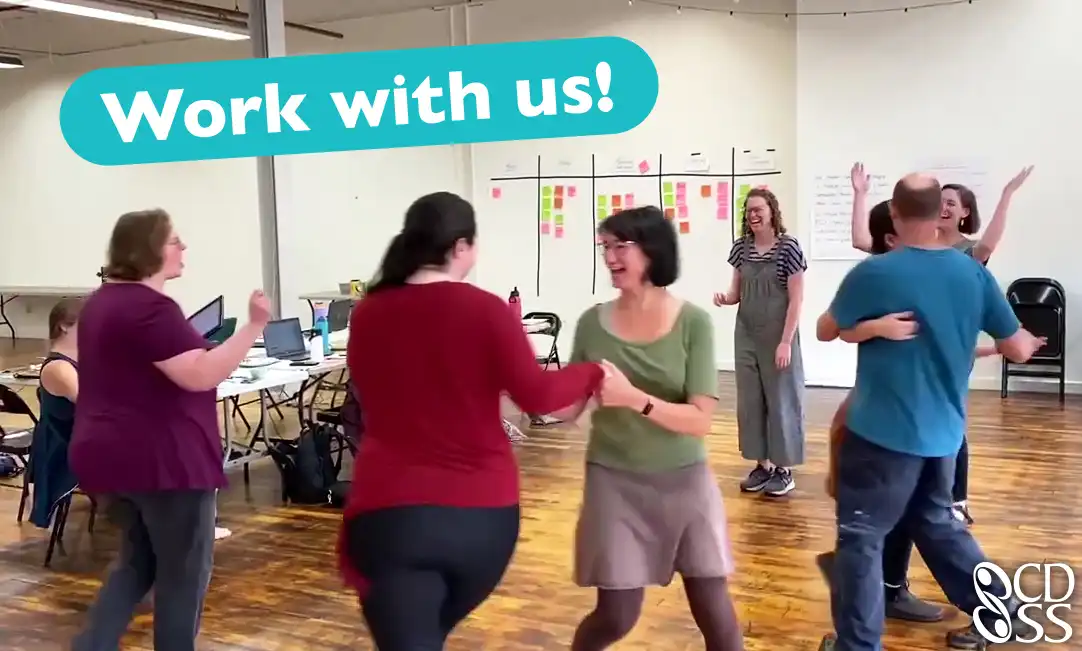
CDSS has two year-round positions open! Might you or someone you know be the perfect fit? Find more info here, and please help spread the word to folks who may be interested.
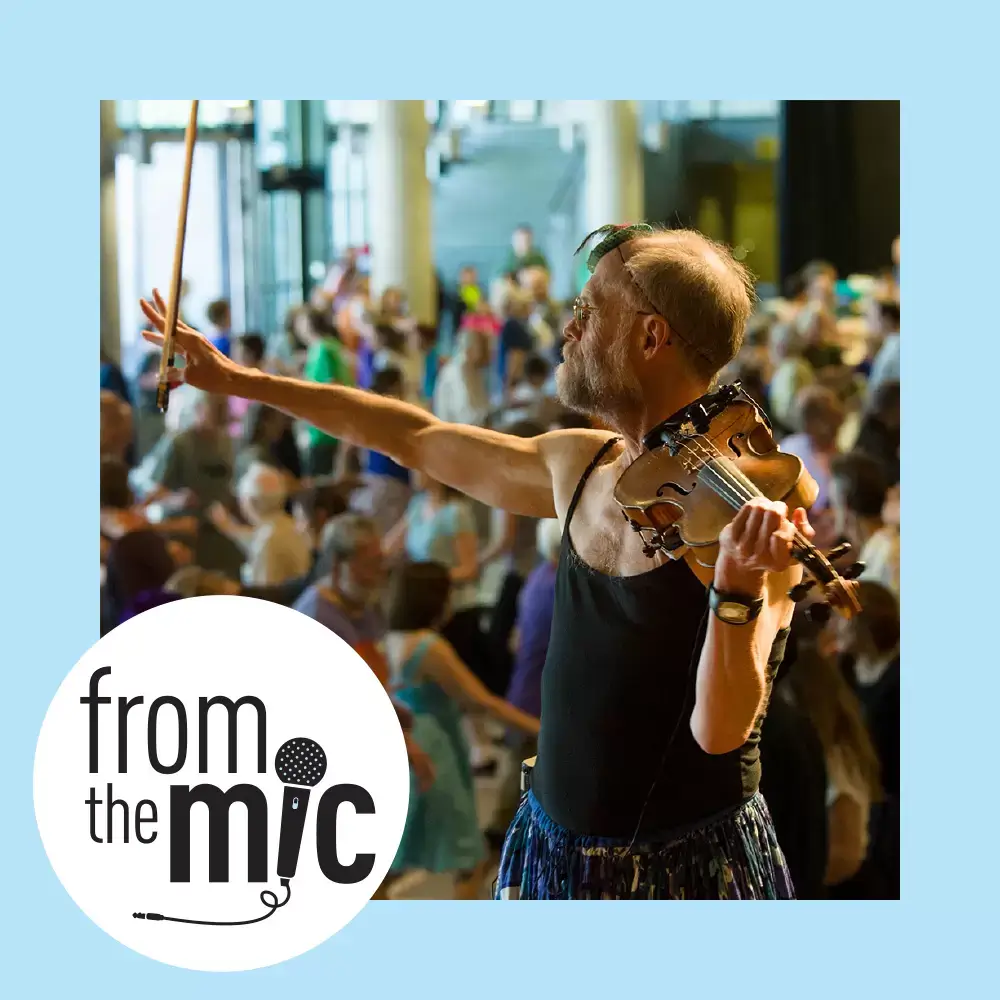
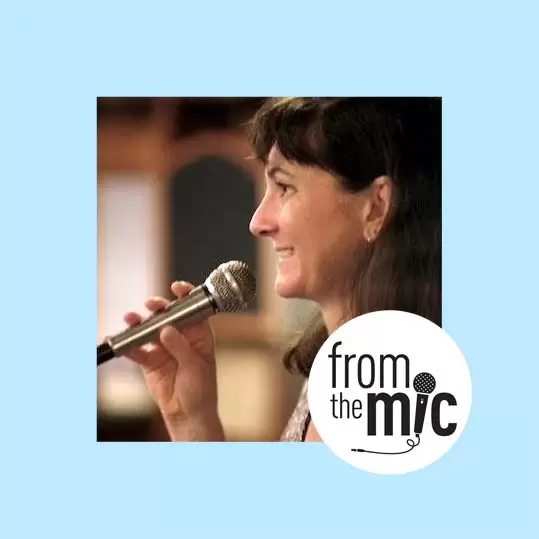
The newest episode of From the Mic is out now, featuring the one and only David Kaynor (yes, really!). In this episode, host Mary Wesley shares an interview she recorded with David in 2011, ten years before his passing.
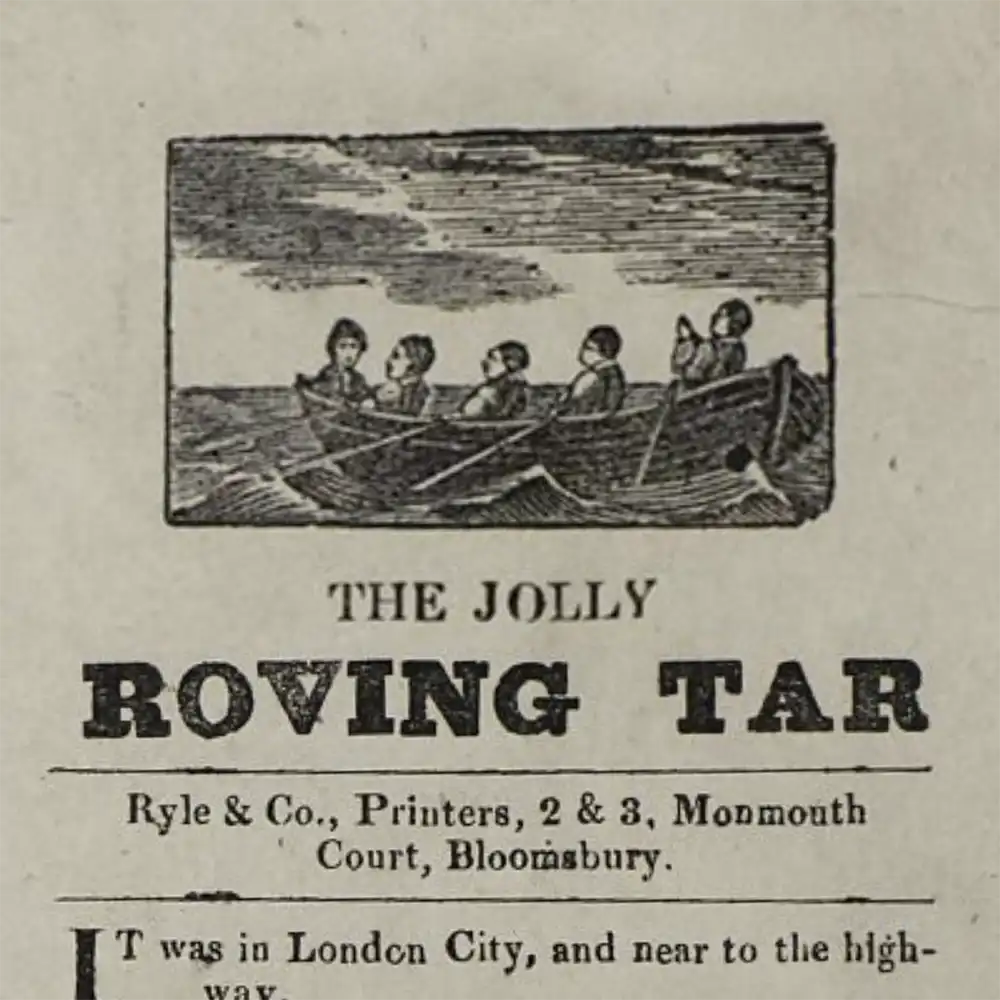
April Grant introduces “Jolly Roving Tar.” Although it may sound like an old English sea ballad, the song was written in the United States for the Broadway musical Old Lavender.
This episode of From the Mic features Diane Silver. Diane says: “I love that moment when I can stop calling—when I can pull back, pull back, pull back, and ultimately you’re not calling anymore. And the dancers are just dancing to the music.”
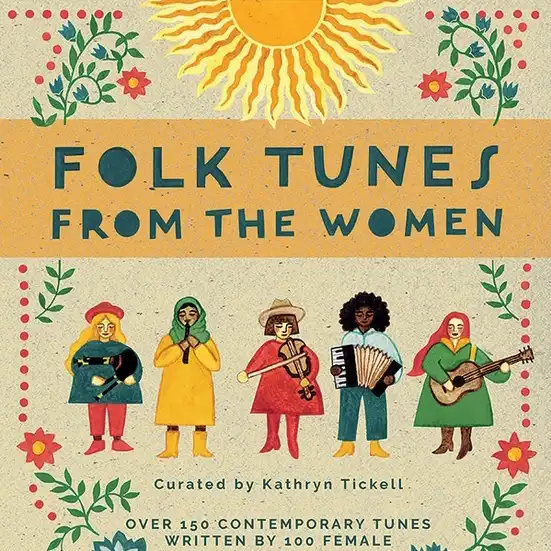
Folk Tunes from the Women, curated by Kathryn Tickell, is a tune book like no other! This is a bumper book of more than 150 contemporary tunes by 100 unique composers from different areas, traditions, and backgrounds.
There’s a wide selection of jigs, hornpipes, reels, airs, marches, polkas, waltzes, mazurkas, and more. All tunes are presented as melody lines with chord symbols, making it a useful book for teachers and players alike.



 Find an Event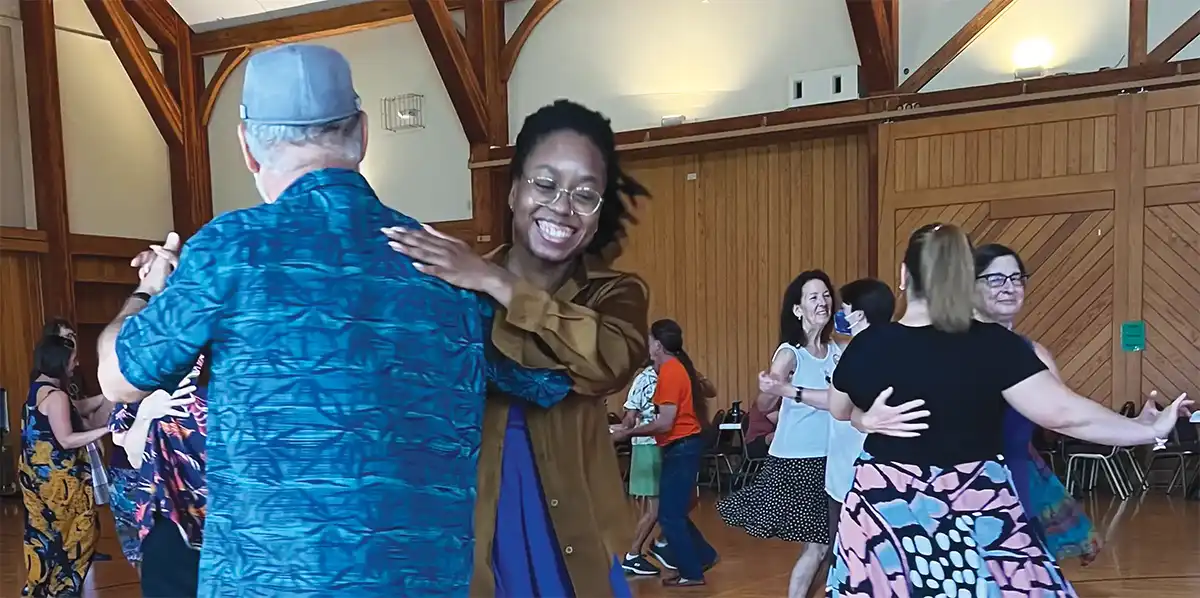










 Thanks to the Massachusetts Cultural Council for their generous support.