In early 1900s England, there was a growth of interest in traditional English country, morris, and sword dances. In 1911, the English Folk Dance Society (EFDS) was founded to preserve and promote these dances. Subsequently, several teachers of these traditions, including Mary Neal, Florence “Florrie” Warren, A. Claud Wright, and Cecil Sharp, came to the US to teach morris and English country dance.
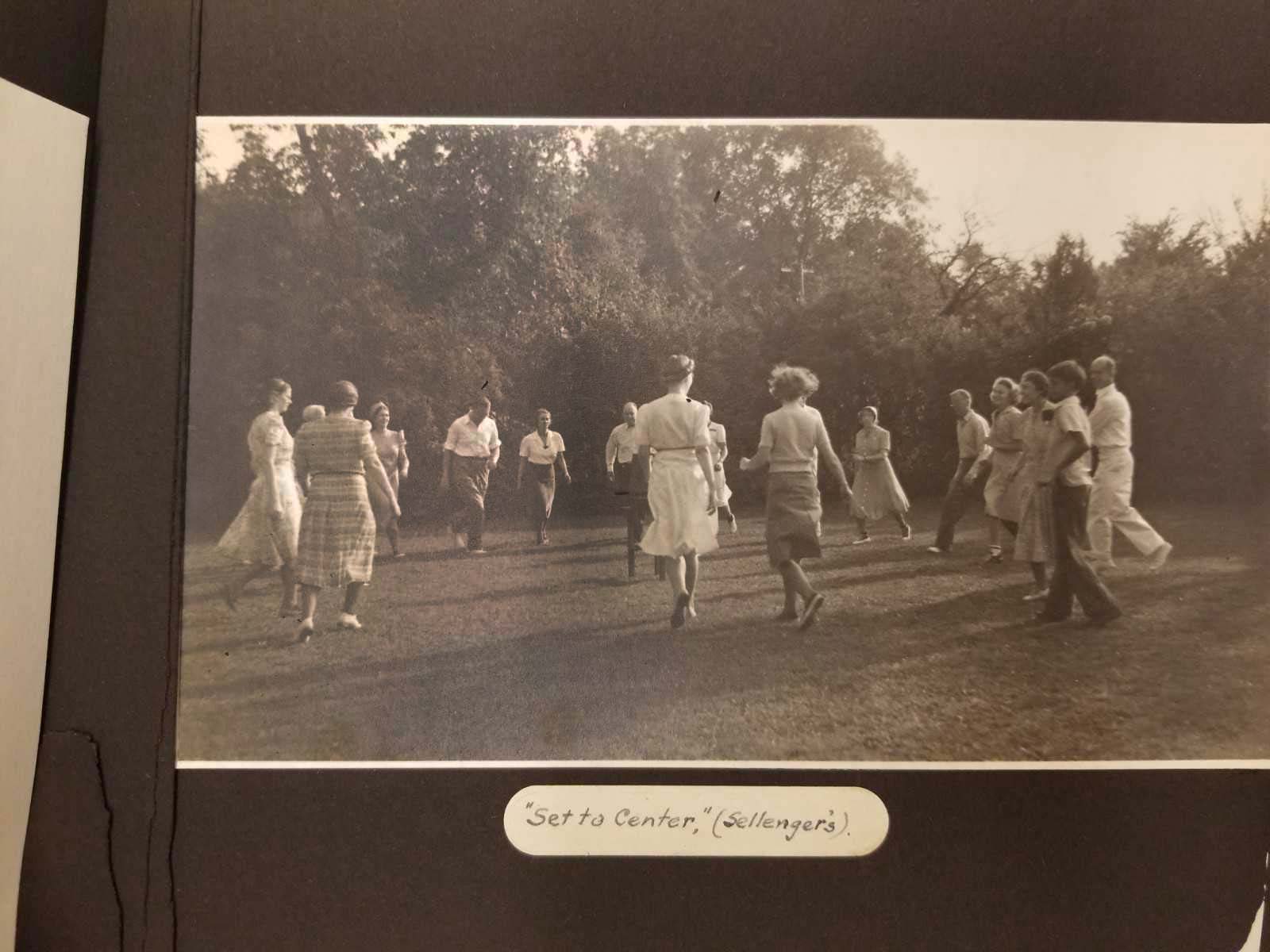
In 1915, aficionados of the dance in Boston established the first US branch of the EFDS with philanthropist Helen Storrow as the president. Branches were also established in Chicago, New York, and Pittsburgh. The organization originally focused on performance and demonstration groups, rather than on participatory dance. The Boston branch sponsored summer workshops, and in 1933 Helen Storrow hosted the workshops at her Pine Tree Camp near Plymouth, MA. The name was later changed to Pinewoods.
In 1933, the English Folk Dance and Song Society of America (EFDSSA) was formed, uniting the several regional US branches of the EFDS. A national headquarters was established in New York City, and May Gadd, who had come to the US in 1927 to teach dance, was appointed first national director. The organization’s name was changed to the Country Dance Society in 1949; “and Song” was added in 1967. CDSS began publishing information about dance and song traditions with The Country Dancer in 1940, in time leading to today’s CDSS News.
When Helen Storrow died in 1944, she left Pinewoods Camp to her assistant, Lily Conant, and Lily’s husband, Richard. CDSS continued to sponsor dance camps at Pinewoods, adding more weeks with different focuses, including English, American, early music, and folk music.
In 1975, CDSS added the first Family Week, eventually sponsoring up to four family programs at different facilities. In 1976, the Conant family, CDSS, and other user groups formed an independent organization, Pinewoods Camp, Inc., to own and operate Pinewoods. Since then, CDSS has operated summer programs at Pinewoods and in the Mid-Atlantic, New Hampshire/Maine, and Michigan.
As interest in modern contra, morris, and English country dancing grew starting in the 1970s, CDSS built connections and offered support to local groups, including newer groups on the West Coast. This outreach expanded CDSS membership throughout the US and Canada.
In 1987, the CDSS office moved from New York City to western Massachusetts and established a mail-order store to distribute books and instructional materials, recordings, and ritual dance supplies.
In the early 2000s, the office modernized operations, incorporated non-profit best practices, and began a multi-year initiative to develop new leaders in programs, on staff, and on the board. The first CDSS website was published in 2009, and operations moved online, including newsletters, camp registration, programming, and the CDSS Store. In 2015, CDSS marked its centennial with celebrations in communities throughout the US and Canada, artist residencies in seven communities, and a major capital campaign.
In recent years, the organization has responded to the changing needs of the community, forming task groups to support educators, pilot a regional ambassador project, organize our archives, and share resources on community safety in local communities.
In 2018, CDSS began transitioning from an office-based organization to a remote team with employees across the continent. In 2020, CDSS convened a task group and an external advisory group to address cultural equity issues. During the COVID-19 pandemic, CDSS offered online workshops and web chats that were an important source of information for individuals and groups. In 2022, CDSS redesigned its website to provide better access to resources and publicize dance activities throughout the US and Canada. In 2023, CDSS adopted a new five-year strategic plan to support generational transitions in member communities and the living traditions that continue to grow and evolve.
Prepared by the CDSS Cultural Equity History Working Group, composed of board and community members. Last updated: August 2024.
Last updated March 2026
In the context of CDSS, cultural equity encompasses the values, policies, and practices that ensure that all people have access to the dance, music, and song traditions defined in our mission. This includes the fair distribution of programmatic, financial, and informational resources, as well as a responsibility to research and share the complete history of the traditions we support.
We are working to empower everyone who wants to participate in these traditions to do so with a full sense of safety and belonging. This includes people who have been historically underrepresented or denied access based on age, body size or type, citizenship status, disability, gender identity or expression, veteran status, national, regional, or ethnic origin, race, religion, sexual or romantic orientation, and socioeconomic status.
About Our Cultural Equity Work
This page was created to provide updates on our ongoing efforts to improve equity and remove barriers to access in our organization. This is not a finished story, nor is it one of rapid change. It is a story of deep introspection, steady progress, and work that will continue. We hope you will take the time to read about where we are and how this work is informing our new strategic plan. If you have feedback, suggestions, or questions, you are welcome to email them to [email protected].
In 2018 our board and staff adopted a new five-year strategic plan, which includes mission, vision, and focus area statements, as well as four core values: stewardship, collaboration, creativity, and inclusivity. In the process of selecting our core values, we discussed a wide range of topics, from the community-based nature of the traditions we love, to the responsibility we hold to keep them healthy and thriving, and the ways in which we can remove barriers for folks who have felt excluded. The new plan went into effect in 2019. We convened board/staff task groups to support the work and began our five-year exploration of the way the mission, vision, and values manifest throughout our operations. We were excited and energized about building the future of CDSS with these new goals.
Responding to the World Around Us
A strong mission and strategic plan can carry an organization a long way, but sometimes the outside world necessitates a reevaluation of our priorities. The past decade of increased social activism came to a close with a contentious U.S. presidential election, the global COVID-19 pandemic, and continuing violence against Black, Indigenous, and people of color (BIPOC) individuals in the U.S. We have all been affected by these movements. And like many other predominantly white-led organizations, CDSS began reflecting as an organization on systemic racism in our institutions and how it creates misalignment between an institution’s intent and its impact. As people who believe in the positive health and emotional benefits of participatory arts, we knew we needed to do more to address structural barriers that prevent people from participating or feeling comfortable in our spaces.
The killing of George Floyd in May of 2020 felt like a tipping point—a call to action for organizations to interrogate the unexamined structural racism and cultural inequity in our spheres. That summer the CDSS staff and board had conversations about what more we could do to educate ourselves and how we could work against systemic injustice in the folk arts community. We issued a statement affirming the need for this work within our institutions. We opened up our community grants to people doing anti-racism and cultural equity work in their dance, music, and song communities. We listened to community feedback calling on us to recognize and address systemic racism as it manifests in how we operate, to go beyond performative statements and checking boxes, and really commit time and resources to long-term diversity, equity, and inclusion work. And we recognized that we needed more diverse voices and perspectives to help us see the things we could not see. People who benefit from systemic inequity often have the hardest time recognizing it. Inspired by the work of Americans for the Arts, we formed a Cultural Equity Task Group that included members of the staff and board, whose purpose was to convene a year-long advisory group of diverse individuals to evaluate our organization.
Committing to Online Programming
As part of our response to the COVID pandemic and in an attempt to broaden access to our programs, CDSS committed to year-round online programming. The organization’s main programming for the past 50+ years had been in-person camp sessions. These require money, time, and resources to attend, and are often in locations that have limited accessibility for folks with disabilities. We knew this, and yet prior to the pandemic it was hard to imagine conducting community-based programming online. The pandemic revealed a lot about what is possible for the arts online, and what types of programming and training work best in that format. So in 2021 we expanded our regular programming to include free and low-cost online offerings year-round, creating more accessible opportunities for folks everywhere to learn and develop their skills.
Convening an Independent Cultural Equity Advisory Group
Also in early 2021, the Cultural Equity Advisory Group’s year of work began. Unlike a “task group” that has a clearly defined task to accomplish, an “advisory group” is asked to provide insight and advice to the board and staff. We asked the Cultural Equity Advisory Group to review our operations, our programs, and our outward communications within the framework of our existing mission, and to identify actions we could take to promote the living traditions that are dear to us in anti-oppressive ways. We asked them to help us understand the ways that CDSS has caused harm so we can stop perpetuating that harm. We wanted to make sure that, in our work and play, we carry out our mission of strengthening and supporting communities in a way that builds more equitable relationships.
The advisory group worked independently, with support and information from our board and staff as requested. As they conducted their review, we continued our efforts to facilitate more training sessions for our staff, board, and communities, as well as making grant funding available to local groups interested in anti-racism and cultural equity work. In March of 2022, the Cultural Equity Advisory Group wrapped up their work and presented the board and staff with a write-up of their process, along with a report and recommendations.
What We Understand About Cultural Equity at CDSS
We are continuously learning and striving to be a more culturally equitable organization. Receiving the materials from the Cultural Equity Advisory Group was a significant point along the way that has helped us imagine and consider new perspectives and ideas that both challenge and inspire us. We look forward to implementing their recommendations (see “What We’ve Done” and “What’s Next” for more details) and to seek out new sources of knowledge and advice in our quest for more equity.
Some of our key lessons so far:
The literal reading of our mission statement matters. We need a mission that closely reflects the activities of our organization and the communities we serve, rather than implying that we are serving every dance and music tradition in North America.
Our connection to local communities matters. We cannot create a more equitable future alone. We’re continuing to learn as an organization—through our work, from the example of others who are already making changes, and from organizations who have been doing this work all along. As we learn, we have a responsibility to make information, resources, programming, and support available for organizers doing cultural equity work in their local communities.
The story we tell matters. We need to interrogate our organization’s history, not to erase, but to expand the narrative, acknowledging past harm and omissions, such as the impact on indigenous populations as this land was colonized and the erasure of Black and Indigenous contributions to folk traditions born on this continent. We need to set our story in the broader context of all participatory folk art traditions on the continent.
Intention in programming matters. Though CDSS draws on the expertise of independent dance, music, and song leaders to create our programming, we are ultimately responsible for what is presented in our programs. We have a responsibility to provide guidance, support, and resources so that we can work together with artists and participants to correct harmful narratives and provide appropriate historical context to the materials we share.
Representation matters. We need to do a better job of recognizing and representing the diversity that exists in the CDSS network of communities in the programming we offer and among the writers and contributors with whom we work.
The materials we make available matter. We are continuing to share unexamined historical materials via our store, publications, and resources, some of which perpetuate problematic narratives. We need to review what we are offering, critically evaluate our store items and publications, and provide context and additional information where necessary.
Access to decision-making matters. Service on our board right now requires a certain amount of privilege, including time, energy, and the means and ability to travel. Our existing practices for bringing new leadership to both the board and staff are not bringing enough diverse voices to the table. We need to critically analyze the way we are structured and our organizational culture in order to recruit a more diverse board and staff.
Posted a content warning to our online store to notify folks that the store contains unreviewed materials (we are developing a plan to review the materials)
Badass Women in Folk Song – virtual class from Saro Lynch-Thomason
What's Coming Next
As we continue our work at CDSS, we will continue to intertwine themes of equity and inclusion throughout our conversations. Listed below are some goals we intend to work toward.
On the CDSS Board…
Review and update the CDSS Board travel reimbursement policy and procedures, to address some of the economic barriers to joining the CDSS Board
For Affiliates and organizers…
Continue making CDSS Grants available for diversity, equity, and inclusion training and workshops for local groups
Follow up with recipients of CDSS Grants for cultural equity training to better understand their experiences and learn how best to support other groups interested in this work
Establish a recurring section of the quarterly Affiliate eNews for cultural equity content
In our internal operations…
Increase usage of BIPOC-owned printers, designers, and mailing houses, or businesses owned by people with other marginalized identities
Practice equitable meeting facilitation models to ensure every board/staff member is heard during meetings
In our development work…
Identify training resources and opportunities for the board and staff on equitable fundraising models
Explore building a more accessible and inclusive base of support for the organization
In our camp programs…
Identify strategies for improving the experience of new staff and campers, particularly BIPOC staff and campers
Clarify the purpose of our scholarship program, improve and simplify the application process, and ensure that the distribution of funds aligns with the stated goals of the program
We think it’s important, too, to acknowledge that this has been challenging work. Like many groups, the board and staff of CDSS desire to be unified. But we are 33 different individuals with different backgrounds and perspectives. We do not agree on all things or always see eye-to-eye, and disagreement is uncomfortable. We understand, too, that disagreement, conflict, and discomfort are not inherently bad things, that they can lead to deep understanding and good pathways forward.
If you have any questions, feedback, or ideas about CDSS and equity, please send them to Executive Director Katy German ([email protected]) or Board President David Smukler ([email protected]). In the meantime, we hope you are finding opportunities to fill your soul with dance, music, and song!
Our geographically diverse board is listed below. Correspondence for them may be sent to [email protected]. Click each board member’s name or photo to learn more about their involvement with the community.
Most weeks, our office and store are staffed Monday–Friday, 9:30–5:00. Please call before traveling: 413-203-5467.
Where We Are in the Building
Enter through the “marquee” entrance in the middle of the building. (There is a huge vertical Eastworks sign and a smaller black and white marquee sign above the door.) Take the elevator (immediately to the left) or the stairs (immediately to the right) up to the third floor. Turn right down the first hallway, and #334 will be on your right, a few doors down.
Driving to CDSS
Coming from the South
From I-91 North, take Exit 17B (Easthampton). Follow Route 141 to Easthampton; at the foot of the mountain, turn right onto East St., and go approx. 2-3/10 miles. Turn left onto Ferry St., and follow to the end. Turn left onto Pleasant St., and go approx. 3/10 of a mile and turn left into the Eastworks parking lot.
Coming from the North
From I-91 South, take Exit 18 and turn right at the bottom of the ramp. Follow Route 5 for 6/10 miles and turn right onto East St. Continue for 1-4/10 miles and bear right onto Ferry St. Continue 9/10 miles to a “T” intersection and turn left onto Pleasant St. Go 3/10 miles and turn left into the Eastworks parking lot.
We are delighted to announce that David Millstone of Lebanon, NH, is the recipient of the 2026 CDSS Lifetime Contribution Award. David is a dancer, caller, teacher, historian, and leader specializing in contra dance, New England squares, and English country dance.
For more than 40 years, David has helped and encouraged modern practitioners to connect with the historical roots of these living traditions. His passion for dance has informed and engaged people across the continent. From running local dances and mentoring new callers to creating documentary films, digital libraries, and interactive websites, David’s dynamic array of contributions will continue inspiring people for generations to come.
We will honor David on June 13, 2026, in Norwich, VT. Check out the Spring 2026 issue of the CDSS News for more information about David’s life and work and his celebration event!
Nominations for Future Lifetime Contribution Awards
Do you know someone who has made a long-term and exceptional contribution to the mission of CDSS?
Have they led the way in preserving, promoting, and/or creating within the living traditions that CDSS stewards?
Has their contribution benefited people in a broad geographical area?
Has their contribution impacted more than one generation?
Have they worked in conjunction with CDSS, CDSS affiliates, or complementary organizations?
If the answer is “yes” to all of these, then you may know a future recipient of the CDSS Lifetime Contribution Award (LCA).
Examples of a long-term and exceptional contribution include:
Increasing the quality of what we do by inspiration, instruction, or excellent example
Bringing what we do to new communities
Expanding the repertoire of dance, music, and/or song through scholarship or original composition
Working behind the scenes or enabling others to make these contributions
Nominations for the 2028 Lifetime Contribution Award will be open in early 2027.
New this year: living and posthumous nominations are combined, and all nominations use the same form. Submissions for people who have passed away are welcome anytime nominations are open (there’s no minimum or maximum time limit since the nominee died for you to make the nomination).
We consider nominations from previous years each time we select a recipient. If you’ve nominated someone before, feel free to fill out the form again if you want to add extra info. You can also get others to nominate that person too—more support for someone who’s been nominated before is always a good thing!
The following people were made an Honorary CDSS Member before the origination of the Lifetime Contribution Awards:
1996: Sue Salmons
1992: Kate Van Winkle Keller
1990: Marshall Barron
We connect and support people in building and sustaining vibrant communities through participatory dance, music, and song.
We steward the living traditions of English country dance,contra and square dance,morris and sword dance, and the music that is an integral part of these traditions.
The Country Dance & Song Society is proud to announce that David Kaynor of Montague Center, MA, is the 2021 recipient of the CDSS Lifetime Contribution Award.
David was selected in recognition of more than 50 years of performing and teaching at camps and festivals across the U.S., humbly mentoring an entire generation of contra dance musicians, tirelessly serving as a leader in dance and music communities of Western Massachusetts, generously sharing tune compositions and writings about dance calling, and supporting generations of musicians and dancers in creating warm, inviting, and welcoming communities though music and dance.
David’s award was celebrated at an online event on his birthday, April 17, 2021. Watch the recording:
David’s Acceptance Remarks
I’m delighted and humbled to receive the Lifetime Contribution Award.
I think about the colossal contributions of past recipients, and I ask myself, Why me? Although I enjoyed and believed in what I was doing as a dance caller, fiddle teacher, session host, musician, and graphic artist, I considered myself irrelevant to the lofty circles and activities of the Country Dance and Song Society.
A low point in my musical life came in the spring of 1981, when the president of NEFFA told me that, in their opinion, what we … my cousins, uncle, other Fourgone Conclusions band mates, and I … were doing had nothing to do with New England contra dancing.
My response to numerous real or perceived organizational snubs was to submerge myself in the pleasures of the moment in my core interests and pursuits: Long distance running, cross country skiing, dancing, calling dances, teaching basic Swedish dances, teaching basic fiddling, and playing music. I also became something of a calligrapher and graphic artist.
Eventually, I found a niche as a teacher and caller. This led to countless gigs in which I enjoyed a happy integration of my artistic, spiritual, and political ideals and having to earn enough money to get by.
All these facets of my life came together when I became Music Director of the Vermont Fiddle Orchestra and the Fiddle Orchestra of Western Massachusetts. These groups welcomed all musicians of all skill and experience levels. My tasks included including all. Our practices blended learning and arranging tunes with in-the-moment adventure and fun. I wrote out many harmonies while on AMTRAK’S Vermonter, where the conductors knew me by name and the scenery was sweetly familiar.
I’m grateful to Jay Ungar and Molly Mason at Ashokan, Bob Dalsemer and Annie Fain Liden Barallon at the John C. Campbell Folk School, the Reiner family of Fiddle Hell, Paul Rosenberg and Peter Davis at the Dance Flurry, my colleagues at Northeast Heritage Music Camp, Mike Reddig in Flagstaff, Arizona, Fred Karsch in Ann Arbor, Michigan, Sue Songer and Betsy Branch in Portland and Mark Lewis and Carla Arnold in La Grand, Oregon, Sherry Nevins and Tom and Amy Wimmer in Seattle, Lindon Toney in Olympia, Washington, and numerous other organizers and bandmates in the Pacific Northwest. These folks gave me opportunities to share my developing skills and deep love of music and dancing, not just once, but over and over.
Thanks to all these people, I was able to cultivate relationships with and within their communities. This, in turn, enabled me to not just share tons of fun, but also share experiences of growth and development in many ways. Our skills and repertoire evolved and so did our senses of self, possibility, and purpose.
We didn’t just perform music and dance. We SHARED it. This became a fundamental personal philosophy: There are times and places for performing, but sharing can happen so much more often, and it’s good for us all. Maybe it’s even good for the world.
I’ve struggled to matter for as long as I can remember. This showed itself in a number of ways, including sports and music and dance. I was always dogged by the weight of self doubt. This finally dissipated in the final years of my career, thanks to all of the above who provided opportunities for us to explore mattering together.
David Allen Kaynor passed away on June 1, 2021. We’re so grateful for everything he brought to our world, and for the opportunity we had to honor him with this award.
The Country Dance and Song Society is pleased to announce that Kate Barnes of Greenfield, MA, is the 2020 recipient of the CDSS Lifetime Contribution Award. Kate was selected in recognition of many years of performance and teaching at CDSS programs, the international importance of her publications, her generosity of spirit when running music workshops, and her contributions to current and future communities.
The Lifetime Contribution Award Celebration for Kate Barnes was held on September 26, 2021. The award ceremony we originally planned for September 2020 was sadly cancelled due to the pandemic, so we created an online celebration to include as many people as possible, and to make it easy to attend for Kate’s friends, family, and well-wishers from across the continent.
The event included the award presentation, several group musical contributions, photos, videos, personal reminiscences, tributes and much more. We also invited participants to record some pieces of music to share at the event.
See a video of the celebration:
“As a contra dance piano player, Kate pioneered an improvisatory style that brings joy to dancers, and influences musicians directly and through countless workshops. Her decades-long work with Bare Necessities created fresh interpretations of English country dance music to lift our feet, and the three volumes of the Barnes books are the standard reference collections of tunes used by musicians throughout the dance community.”
—David Millstone, Lebanon, NH (caller, former CDSS president)
“Kate has contributed consistently to the scene for more decades than I know. She’s inspired dancers with her music —exquisitely played, full of forward motion and joyful variety, sensitive to the period, tune type and occasion, and in tight teamwork with other musicians. She’s a reason many people like English dancing.”
—Bruce Hamilton, Menlo Park, CA (caller, former CDSS president)
“I’ve had the great fortune to travel the US, Canada and even as far as Denmark with The Latter Day Lizards. Everywhere we go Kate is universally known and respected and admired for her musicianship, warmth and quick-witted humor. I can’t think of a better recipient for next year’s CDSS Lifetime Contribution award!”
—Dave Langford, Arlington, MA (musician, bandmate)
“Since I first heard and started playing with her in the 1970’s, her passionate, creative, traditionally spirited-but-not-stifled playing and composing have been a bottomless wellspring. Kate’s ink-stained (and later electronic) publishing labors of love have saved many musicians from hauling libraries around in order to play for a dances and have encouraged many to learn the underappreciated craft of playing for dancing. I’m grateful for Kate’s strong, courageous commitment to self-expression, and her deep commitment to the much-needed-in-today’s-world, affirming values of our dance community.”
—Jaqueline Schwab, Cambridge, MA (musician, bandmate)
Kate Barnes Biography
September, 2021
Kate Barnes has been playing piano, flute, whistles and guitar (along with other assorted instruments: banjo, harmonica, bass (acoustic and electric), oboe, English horn, sousaphone, mandolin, fiddle and alto saxophone for traditional dancing since 1971.
She’s been invited to most major contra, square, British Isles, and vintage dance events throughout the United States, performing for dances and concerts, leading ensemble workshops, and generally acting in a crazy and often undignified manner. Averaging over 250 engagements per year since 1980, she is arguably one of New England’s busiest and most sought-after musicians.
She has played for festivals and tours in Canada, England, Ireland, France, Denmark, Shetland, Scotland, Czechoslovakia, Greece, Africa, Peru, Ecuador, Austria, Germany, Switzerland, Hawaii, Alaska, Egypt and St. Croix.
She has been a member of the bands The Latter-Day Lizards, Bare Necessities, Yankee Ingenuity, Les Z Boys, Kestral, Big Bandemonium, Cilantrio, Dark Carnival, Childsplay, BLT, Panel of Experts, Crazy Quilt, The Dactyls, Tulluchgorum, Airplang, Trio Picante, Culchullan, Third String Trio, Trio Con Brio, Foregone Conclusions, The Fitzwilliam Dance Band, The Cathie Ryan Band, The Old Found Country Stay At Homes (not the New Lost Country City Ramblers), Corporal Rockies Mystery, Richard Power’s Vintage Orchestra and has played with countless musicians in pick up bands. She has performed with many traditional greats including Seamus Connolly, Joe Derrane, Cathie Ryan, Chris Norman, Alasdair Fraser, Rodney Miller, Joe Cormier and yes, Joey McIntyre of New Kids on the Block.
Her recordings include Sleeping on a Rock and Rainy Night in Montague with the Latter-Day Lizards; Kitchen Junket and Heatin’ Up the Hall with Yankee Ingenuity; Bare Necessities, Take a Dance, Nightcap and 15 CDs in the CDS Boston Centre Dance Series with Bare Necessities; Airplang and Airplang II with Rodney Miller; BLT (Barnes, Lea & Tomczak); Soir et Matin with Kerry Elkin, Yankee Dreams and Moxie with Frank Ferrell; Shape Shifting and Impulse of the Heart with Jeanne Morrill; Cascata de Lagrimas, Between Two Worlds, and Gypsy Wine with Mary Lea; Twelve-Gated City, The Great Waltz, and Childsplay with Childsplay; At Rainbows End (The Corona Sessions) solely with Kate Barnes; Gary Roodman’s Calculated Figures; several CD’s with various musicians; Sous le Ciel de Paris and Al Fresco with Third String Trio; and 2 CDs with the Scottish band Tullochgorum. She has made guest appearances on recordings with Anisa Angarola, Bob Abrams, Bob Dalsemer, Dave Nieman & Beverly Woods, Donna Hebert, Frank Ferrell, Jan Maier, The Keltic Kids, Kim Wallach, Leo Kretzner, Larry Unger, Mary Lea, Matt Glaser, Ruthie Dornfeld, The Boston Christmas Revels, Timothy Abell, “Waltzing for the Grange,” Nat Hewitt, The Royal Scottish Country Dance Society of Boston and many others.
Books: She has done the dance world a great service by compiling three volumes of English Country Dance Tunes which are widely used by English country dance musicians and many others throughout the US and in Australia, Canada, England, Ireland, Belgium, and Germany. She has also compiled a book of couple dance music called A Little Couple Dance Musik and has written a tutorial for playing contra dance music called Interview with a Vamper.
Below is a small sampling of concerts, dance festivals, special events and overseas engagements.
Concerts: The Ark (MI), The Bread & Roses Heritage Festival (MA), Caffe Lena (NY), Club Passim (MA), The Colonial Inn Concert Series (MA), The Crosscurrents Fold & Classical Concert (MA), El Tremedal Coffeehouse (MA), The Fiddle and Bow Society (NC), Gaelic Roots (Boston College, MA), The Hallockville Folklife Center (NY), The Iron Horse (Northampton, MA), The Irish-American Heritage Society (GA), The Irish Cultural Center (NY), Johnny D’s Uptown (MA), The New Hampshire Highland Games, Lincoln Center Out-of-Doors (NY), The Lowell Folk Festival (MA), Massasoit College Concerts (MA), The New England Conservatory Select Series (MA), Music of the Americas Festival (NY), The Pittsburgh Irish Festival (PA), The Provincetown Muse Series (MA), The Smithsonian Institute (DC), The Stonehill College Irish Festival (MA), The University of Vermont Lane Series (VT), The WGBH Acoustic Music Festival (MA), The Wolftrap Folk Masters Series (MD)
Dance Festivals & Special Events: Alta Sierra Dance Weekend (CA), Ashokan Fiddle & Dance Camp (NY), Augusta Folk Heritage Camp (WV), Black Mountain Folk Festival (NC), Boxwood Wooden Flute Week (Nova Scotia, CANADA), Bay Area Country Dance Society Events (CA), Brandywine Old Time Music Festival (PA), Berea Dance Camp (KY), Buffalo Gap Dance Camp (WV), California Traditional Music Society Summer Solstice Festival (CA), Chesapeake Spring Dance Weekend (MD), Cream of the Crop Dance Series (NY), Commonwealth Vintage Dancers Events (MA), Dancing Bears Events (AL), Down East Folk Festival (ME), Eisteddfod Festival (MA), First Night (Boston, Worcester, Quincy, MA), The Feet Retreat (NC), Flying Cloud Academy Vintage Dance (OH), Folk Arts Center of Boston (MA), Folklore Village Farm (WI), Fox Hollow Folk Festival (NY), Harvest Moon Dance Festival (CA), Gaelic Roots Festival (Boston College, Boston, MA), Hands-Four Spring and Fall Weekend (NH), Hudson Guild Dance Camp (NJ), John C. Campbell Folk School (NC), Lady of the Lake Dance Events (ID), Lavender Country & Folk Dancers (MA), Long Island Traditional Music Association (LITMA) Events (NY), Lost Pines Dance Weekend (TX), Louisville, KY Dance Weekend (KY), The Lowell Banjo and Fiddle Contests (Staff, MA), Mariposa Folk Festival (Toronto, Canada), Mendocino Dance Camp (CA), Hay Days (CA), Mohonk Mountain House Dance Weekend (NY), Muskeg Festival (NH), New England Folk Festival (NEFFA, MA), Old Songs Folk Festival & Old Songs Winter Dance Festival (NY), Pigtown Fling (OH), Pinewoods Dance Camp (1976 – 2021, MA), Playford Balls (Boston MA, Providence RI, Pittsburgh PA, Philadelphia PA, New York (NY), Cleveland OH, Nashville TN, Kentucky, New Hampshire, Alaska, Vermont), Port Townsend Fiddle Tunes Festival (WA), Royal Scottish Country Dance Society (MA), Slugs at Sunrise (WA), Spring Dance Romance (NC), Spring Dance Weekend at Circle Lodge (NY), Summer Soiree (NC), Seattle Lake (OR), Tapestry Folk Dance Center (MN), Toronto Dance Weekend (CN), Vernal’s All-Night Equinox (FL) Victoria’s Revenge Dancefest (Cape May, NJ), Vintage Dance Society Events (CN), Wild Weekend (NY), Rocky Mountain Fiddle Camp (CO), Ogontz CDSS Family Weeks (NH), Across the Lake Weekend (VT).
Overseas Engagements: Shetland Folk Festival (Shetland Isles -1985,1987), Festival du Maurienne, St. Jean du Maurienne, France (1980), The Tonder Folk & Jazz Festival, Denmark (1986), Tour of Scotland with Tulluchgorum, 1992 & 94, Tour of England with Bare Necessities (6x), on George Marshall trips to Hawaii with Bare Necessities (9x) and St. Croix with Bare Necessities (12x), on tour with Cathie Ryan to Germany, Austria, Hungary, Italy & Switzerland, and on Ken McFarland trips to Hawaii, Ecuador, Peru, Egypt, Scotland, England, Greece, Africa, France, Australia and Ireland.
Her musical compositions include Fair Jenny’s Jig, A Solstice Snow, The Invitation, Mendocino Morning, Middle of Night, Intrigas, Cappricio, Findeborgin, Sleeping on a Rock, March for Warren (for Warren Argo), The Dogs of North Dunans, and countless commissions and other tunes.
When Sue Songer started learning contra dance tunes in 1989, she had no idea of the forces she would set in motion in Portland—and beyond. She only knew that she found it personally useful to transcribe tunes that she had learned in order to keep them in her head. Before long, others started asking her for her transcriptions. As word spread of her growing collection of tunes, she was approached frequently by strangers asking for copies of her collection. From this, the Portland Collection music products were born, with Clyde Curley as her collaborator. The three books and four CDs have become staple resources for contra dance musicians around the world. Sue never would have imagined in 1989 that her transcriptions would travel as far as Australia!
In 1996, Sue—inspired by the large contra dance band Rum and Onions—decided to try leading a large contra dance band in Portland. She thought that maybe it would last a year or two. 25 people signed up the first year, and they liked it so much they asked to do it again. The Portland Megaband now has about 75 members, a wide variety of levels and instrumentation, and plays for an annual dance for 500 dancers. The dance raises money for a scholarship fund for community members to continue their music and dance education. Sue’s positive leadership has made the Megaband a community favorite. Furthermore, the Megaband dance in March gave rise to a 5-day long event known as the Cascade Promenade, capped by an all-day contra dance featuring regional bands and callers on the Sunday after the Megaband dance. People come from far and wide for this annual celebration of music and dance—all sparked by Sue’s idea in 1996.
Sue is also active as a dance musician and teacher. She currently plays with two contra dance bands, Joyride and The Stage Crew, plus she collaborates with many other musicians for contra and English dances. She has led large contra dance bands in Ann Arbor, Michigan, and Coos Bay, Oregon, and was a teacher and musician in Halifax, Nova Scotia, for CDSS’s Centennial Tour. She has tutored piano numerous times at the American Festival of Fiddle Tunes, and she teaches every July for Contra Dance Musicians Week at John C. Campbell Folk School in Brasstown, North Carolina.
Furthermore, Sue has been active on boards and committees of many organizations, including Northwest Folklife Festival, Portland Country Dance Community, CDSS, and Northwest Passage Dance Weekend.
Sue approaches all of her work with dedication, passion and—most of all—kindness. She is always supportive of musicians, no matter what their playing ability is. She has inspired so many, more than she could ever imagine. She graciously thanks the members of the Megaband every year for their hard work and dedication, and tells them how proud she is of them. In return, everyone who has worked with Sue is proud of her achievements and appreciative of her invaluable contributions to music and dance.
Isaac Banner (Seattle, WA) has been dancing and calling in the Pacific Northwest for more than a decade. Originally from Saratoga Springs, NY, they grew up surrounded by the music and dance communities of the Greater Adirondacks, regularly volunteering at Caffè Lena and The Dance Flurry.
Seeking community through the folk and American barbershop traditions, Isaac danced his way across the country in 2015 and, since relocating to the west coast, they’ve been passionately involved in creating safe and inclusive dance spaces for dancers of every identity and background. They believe strongly that open, affordable, and accessible dance spaces are fundamental to carrying forward the folk tradition to the next generation of dancers, callers, musicians, and more.
Isaac’s professional background is primarily in online services and digital security, through which they’ve served in a technical capacity to support and organize several events in the Pacific Northwest. When they’re not calling for dances, they can be found writing original choreography, coaching new callers, or making surprisingly convincing chicken noises.
Seth Tepfer
Seth Tepfer (Decatur, GA) first started Scottish country dancing in 1987. Ballroom dancing led to Cajun dancing, which led to contra dancing. From there, Seth started helping run dance events and, in 1997, started contra dance calling.
In the years since, Seth has organized dance weekends (What the Hey, Butterfly Whirl, Atlanta Dance Weekend) and dance weeks (Florida Rhapsody (1997-2001), Bonaire Dance and Dive (2005), Terpsichore’s Dance Holiday (2015-2019), and Rhapsody Adventure in Paxos, Greece (2025). Seth has called dance weekends and dance events across the United States and in Bonaire, Canada, England, Denmark, France, Germany, and Greece.
Seth is passionate about teaching dance leadership. He has taught contra, square, English, and community calling intensives. His website is a valued resource for essays, choreography collections, and thoughts about dance calling.
Seth loves sharing the joy of dance for people who have never danced before, for experienced contra, English, or square dancers. He is excited to work with other leaders to promote dance, music, and song.
Christa Torrens
Christa Torrens (Bigfork, MT) was volunteering at a Western Massachusetts folk music weekend in 2001 when she wandered onto the contra dance floor—and has been an avid contra and English dancer ever since. It took a few years, but she was eventually willing to give up a little dance time for mic time: Christa started calling contras in 2011 and English in 2021 (online!). She is particularly drawn to the welcoming, community-centered aspect of contra and ECD, and loves that, as a caller as well as a dancer, she can share some of her own dance joy with others.
While Christa has lived—and danced!—in most regions of the US, she has spent the bulk of the last 20 years based in the Mountain West and is grateful to call both the Missoula, MT, and Front Range, CO, dance communities home.
When she’s not dancing, Christa works as an aquatic ecosystem ecologist and ecosystem modeler, occasionally sloshing around in streams, but more often sitting in front of a screen fiddling with code and confronting models with data. She loves being outdoors and spends much of her time hiking, biking, skiing, and simply enjoying wild spaces.
Ellie Shogren
Ellie Shogren caught the dance bug early in life, attending her first contra dance at two months old. Decades later, she is still an avid dancer and has served numerous folk communities across the country as staff, crew, board member, and enthusiastic participant.
Originally hailing from Tennessee, Ellie has been fortunate enough to develop folk connections all over the country and overseas, having lived in the South, New England, and the United Kingdom. Ellie and her husband, Ethan, now call the Nebraska/Iowa region home after meeting at a contra dance.
Ellie is honored to serve the CDSS community as a board member in memory of her mom, Chrissy Davis-Camp, who was an influential caller from Tennessee. Both Ellie and her younger sister, Anna Claire, have followed in their mom’s steps; if they are not on the dance floor, you can find them behind the mic calling contra, English, or teaching youth morris and rapper sword.
Because of her parents, Chrissy and Pat, Ellie was taught the importance of community and instilled with a responsibility for inclusion and respect for all through the lense of folk arts. Ellie still carries these important lessons with her as she shares her passion for all things folk.
Sharon Green
Back in 1984-1985, David and Sharon Green had an annus terribilis, a terrible year. In 14 months, they lost all four of their parents. Then in 1988, Sharon found country dancing and refound joy.
Since then, Sharon has danced and called in England, the Netherlands, Japan, Canada, and throughout the United States. She has organized dance weekends and weeks on both coasts and has served on the boards of both the Bay Area Country Dance Society and Country Dance New York. While living in New York, she edited the introductions to three books of dances by her mentor, Fried de Metz Herman. Emulating Fried, Sharon has also choreographed some 40 dances herself.
In 2024, Sharon had the great honor of being chosen to receive CDSS’s Lifetime Contribution Award for her and her household’s work promoting English country dancing. Sharon maintains that it has been her great joy to be part of CDSS, and now in her 80s she is both happy and honored to serve on the board.
Dilip Sequeira
Dilip Sequeira (Seattle, WA) hails from London and contracted a severe case of the folk dance virus (Scottish variant) while a student in Edinburgh. On escaping Britain for St. Louis in 2003, he discovered the joys of English country dance, and it was only a few short years ago that he found his inner contra dancer, too. He has been calling ECD on the West Coast since 2017 and enjoys working with all levels of dancers, helping them improve their skills and get more out of their dancing.
He is now a recovering software engineer, on a mission to make the English country dance repertoire available to the world.






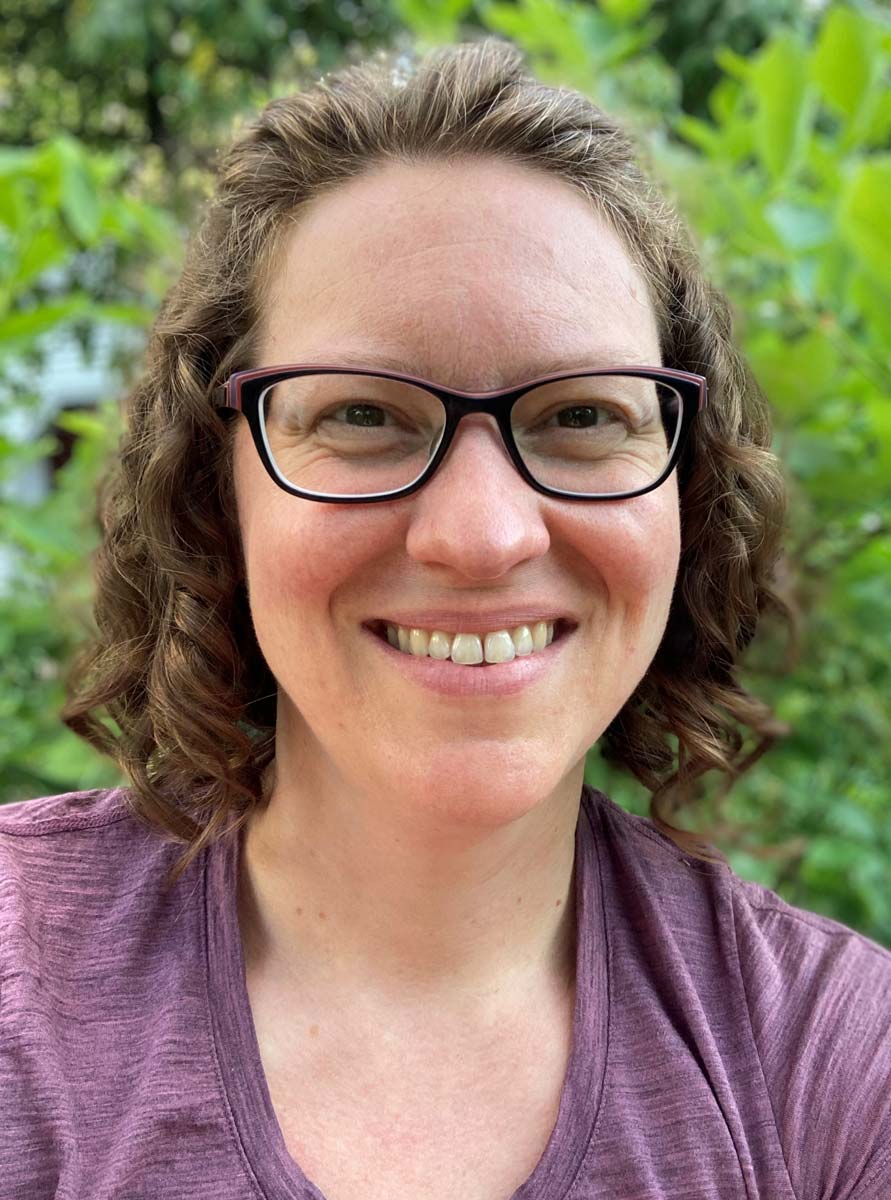
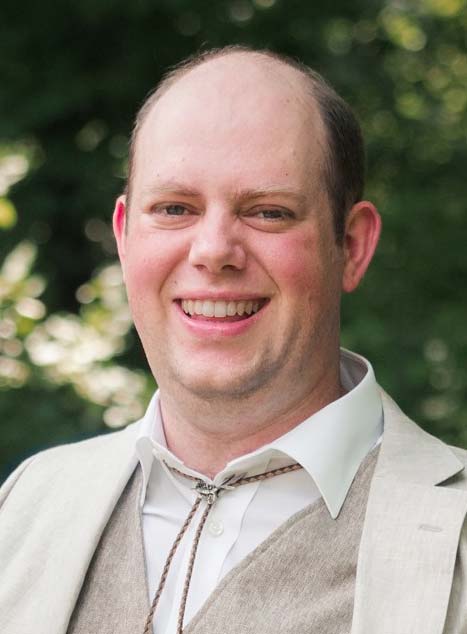

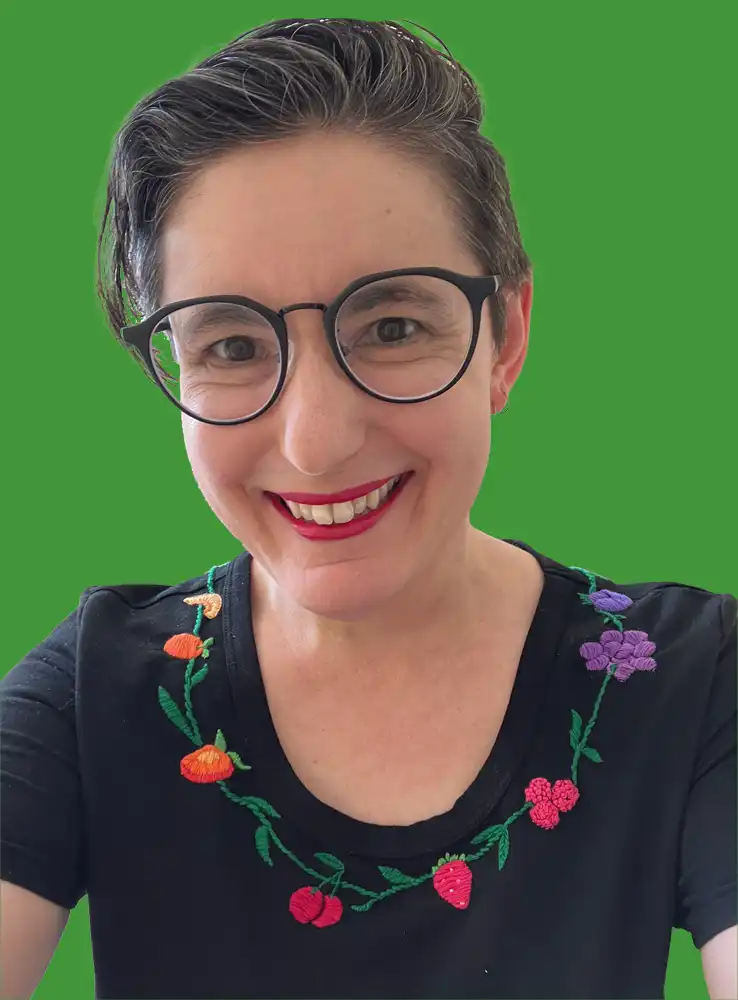
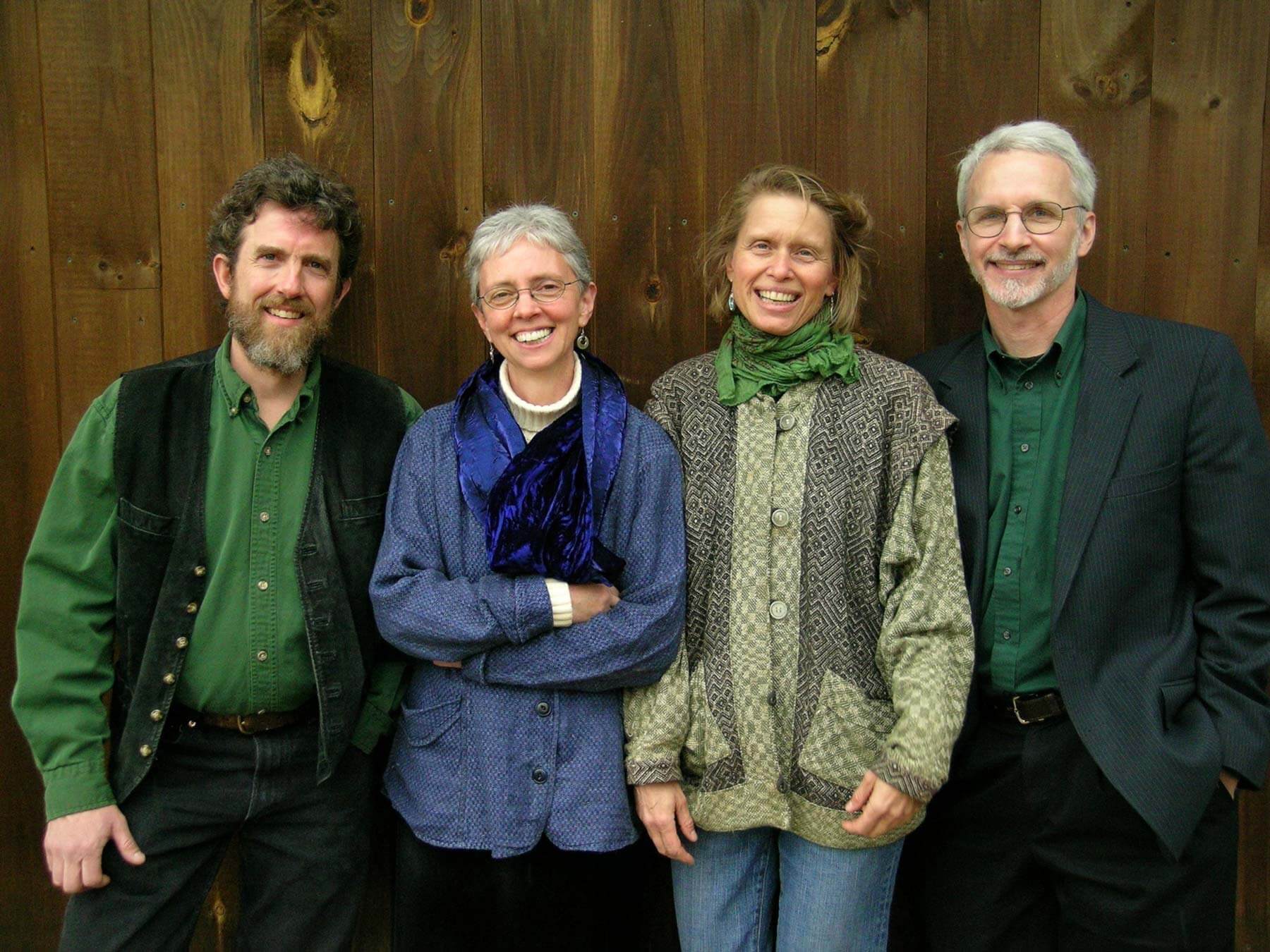
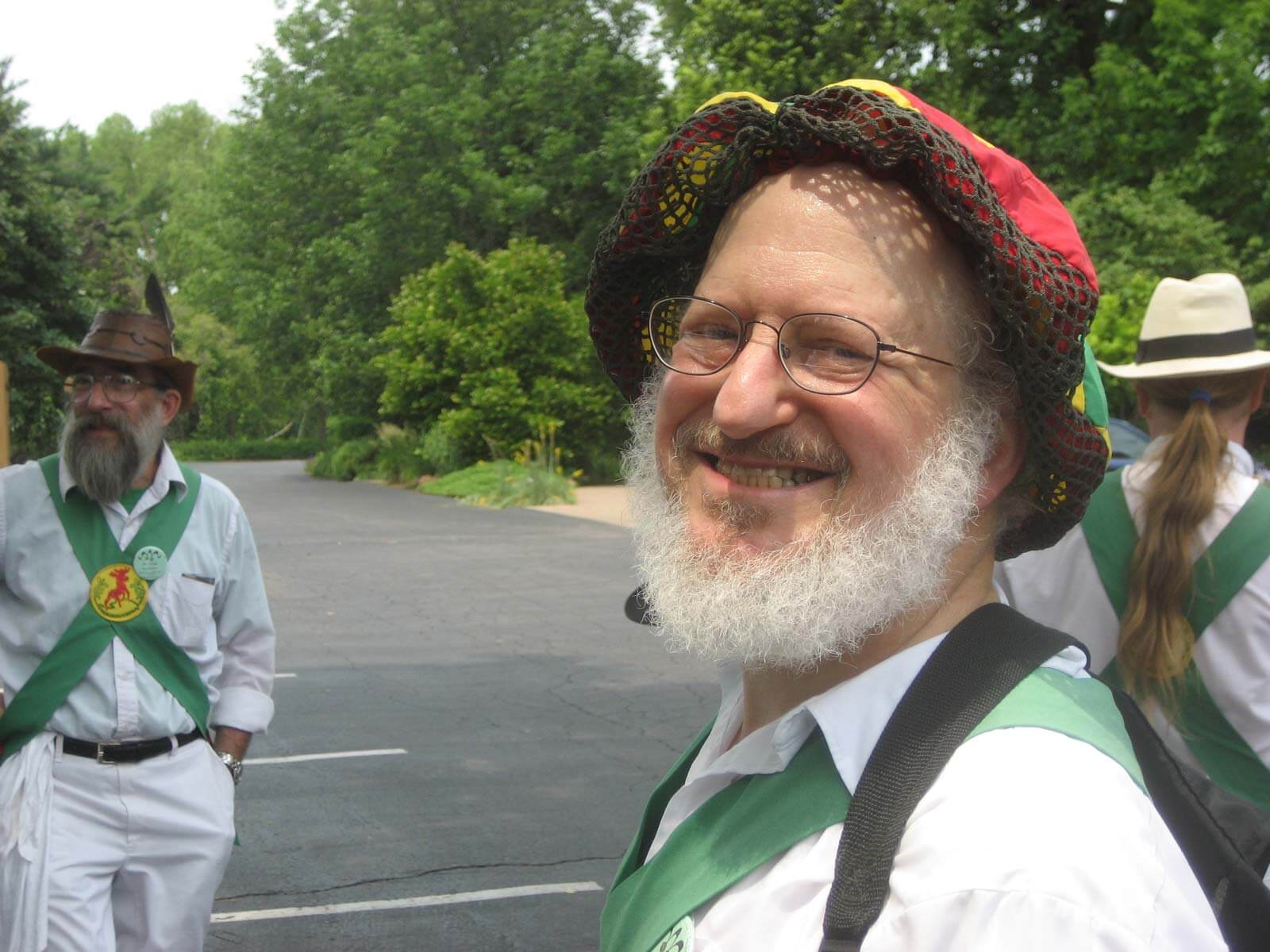
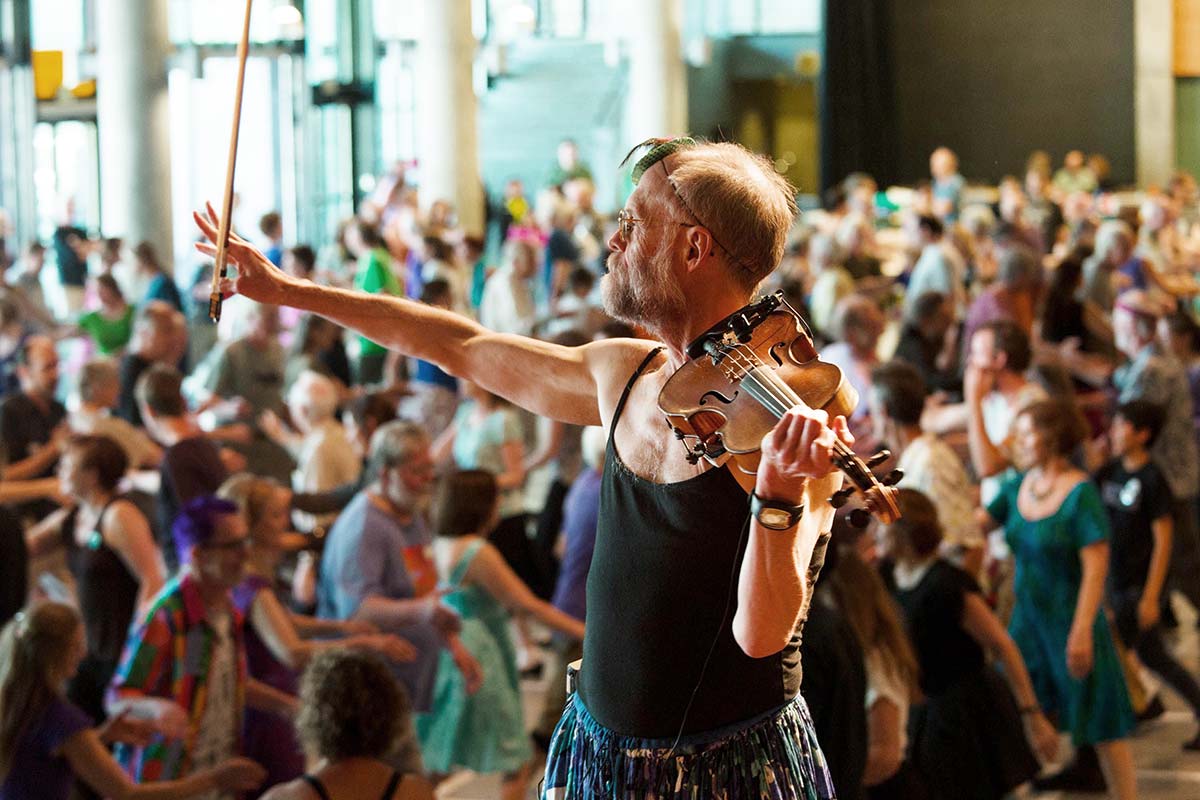
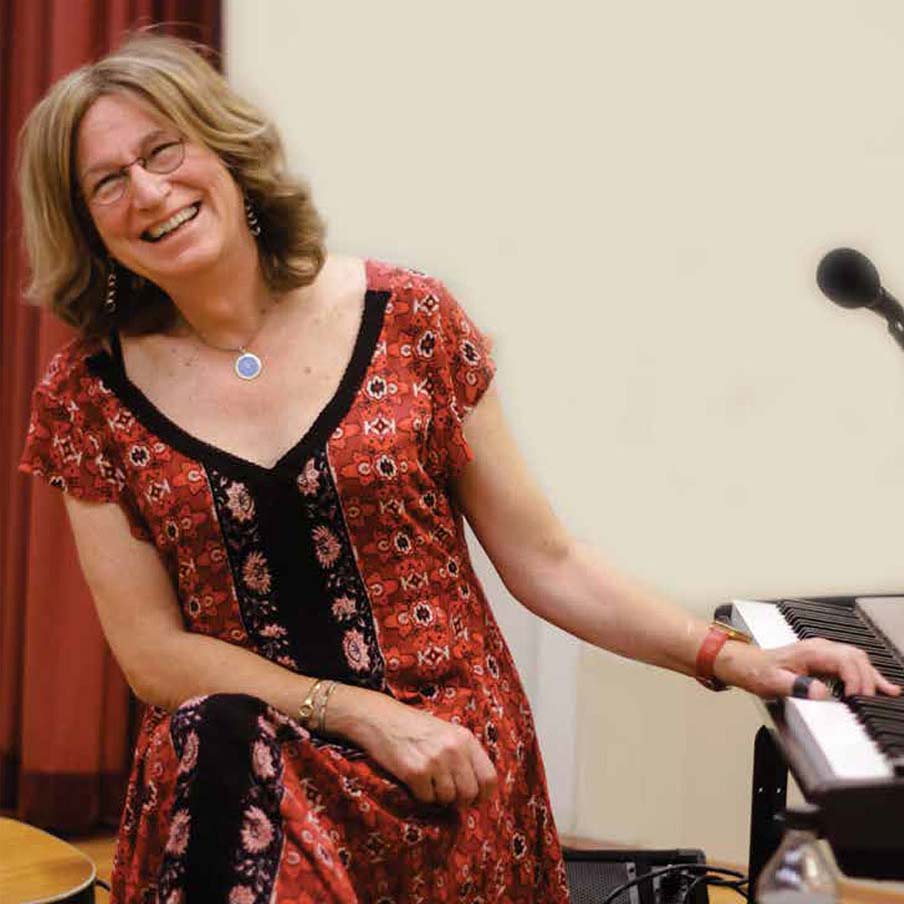
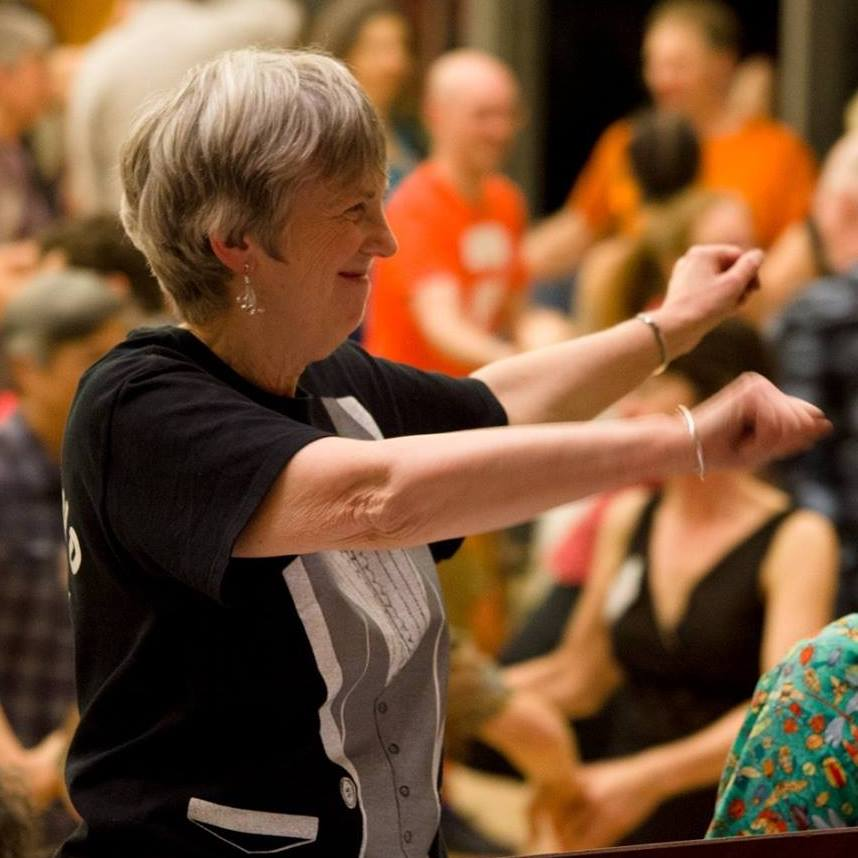
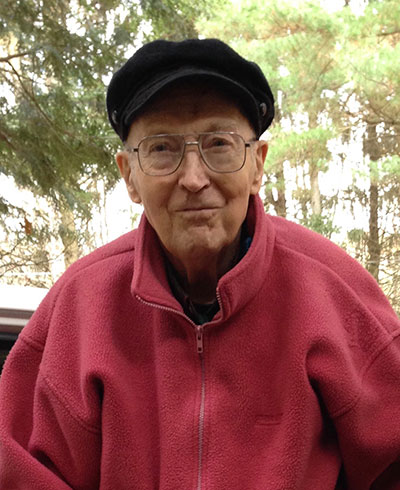
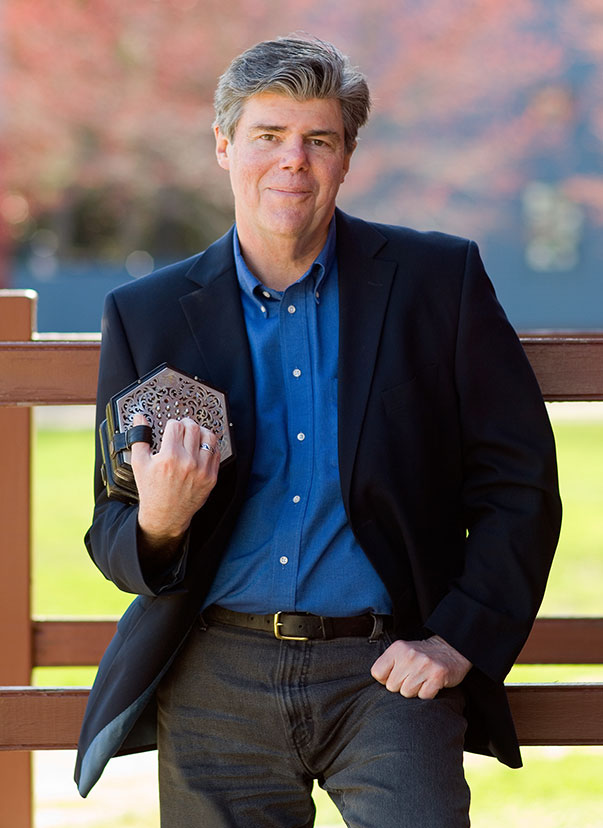
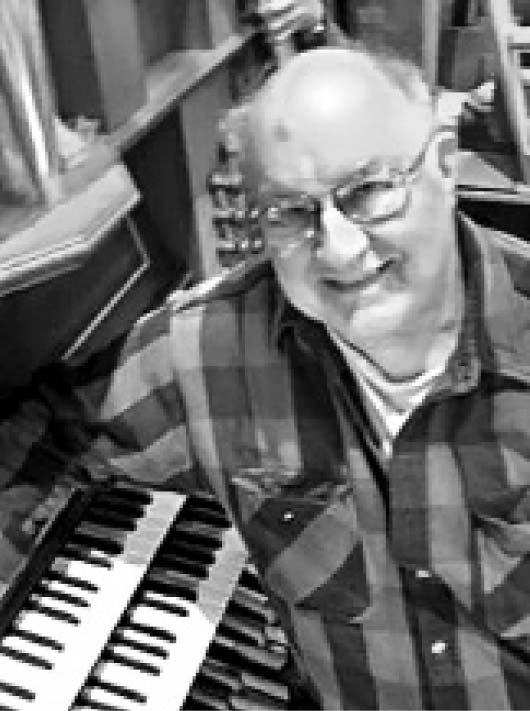
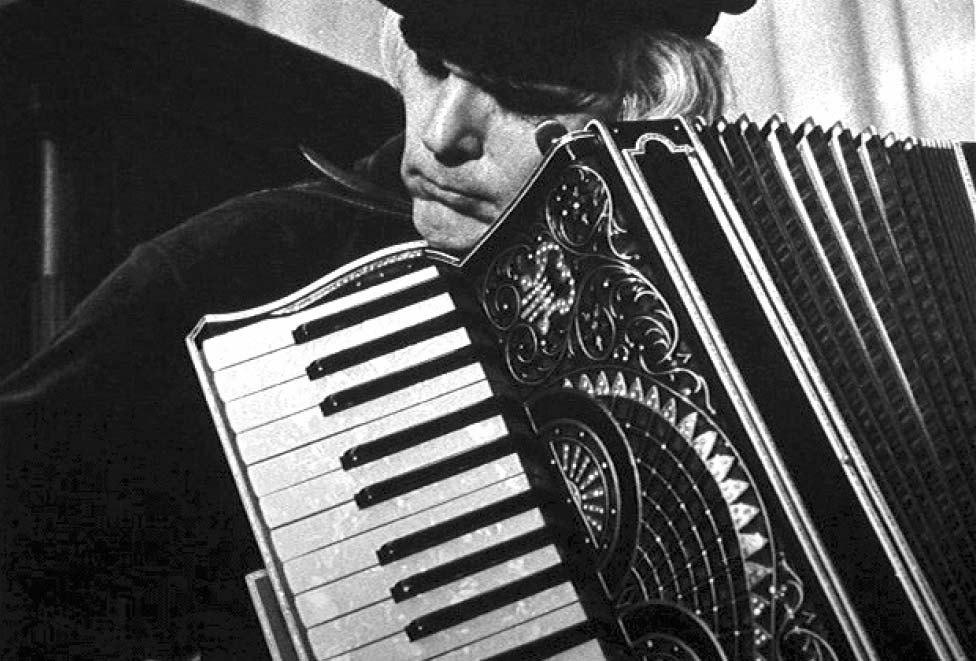
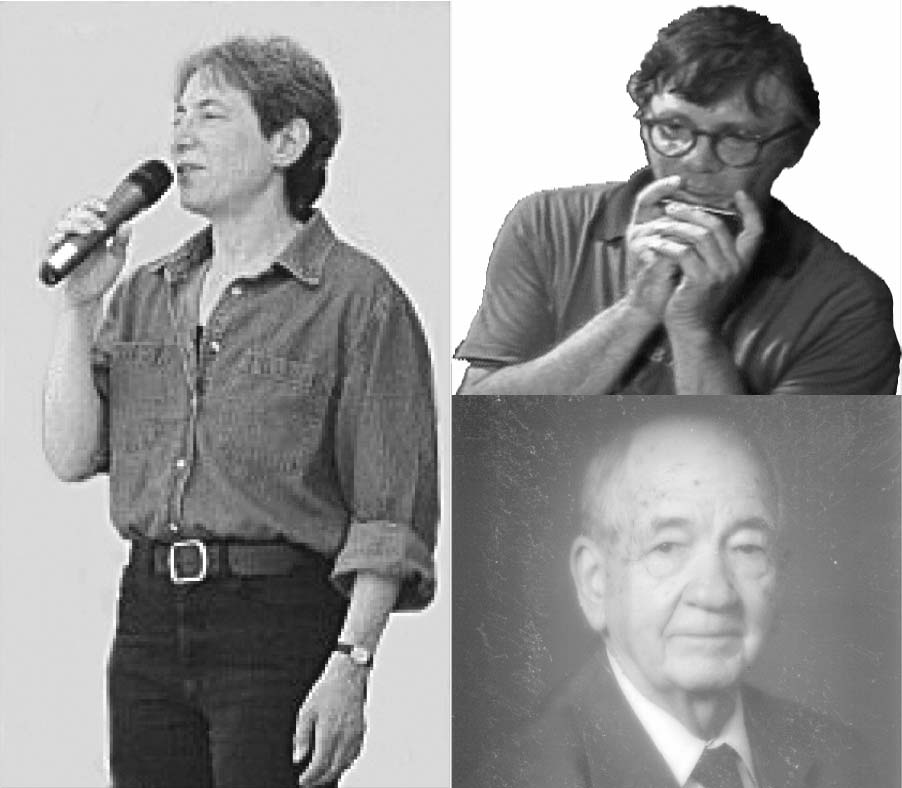

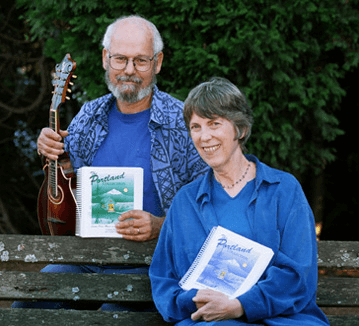 Sue is also active as a dance musician and teacher. She currently plays with two contra dance bands, Joyride and The Stage Crew, plus she collaborates with many other musicians for contra and English dances. She has led large contra dance bands in Ann Arbor, Michigan, and Coos Bay, Oregon, and was a teacher and musician in Halifax, Nova Scotia, for CDSS’s Centennial Tour. She has tutored piano numerous times at the American Festival of Fiddle Tunes, and she teaches every July for Contra Dance Musicians Week at John C. Campbell Folk School in Brasstown, North Carolina.
  Thanks to the Massachusetts Cultural Council for their generous support.