Jump to: DatabasesBooksMagazines and NewslettersDances and Other Resources


Databases

  • A treasure chest filled with gold Dancing Across the Pond

    Dancing Across the Pond by Robert M. Keller, Margaret Keller Dimock and Anne Keller Geraci: 362 Original Country Dance Figures, 191 with Music, ms or Printed

  • A treasure chest filled with gold Peter Rogers Country Dance Index
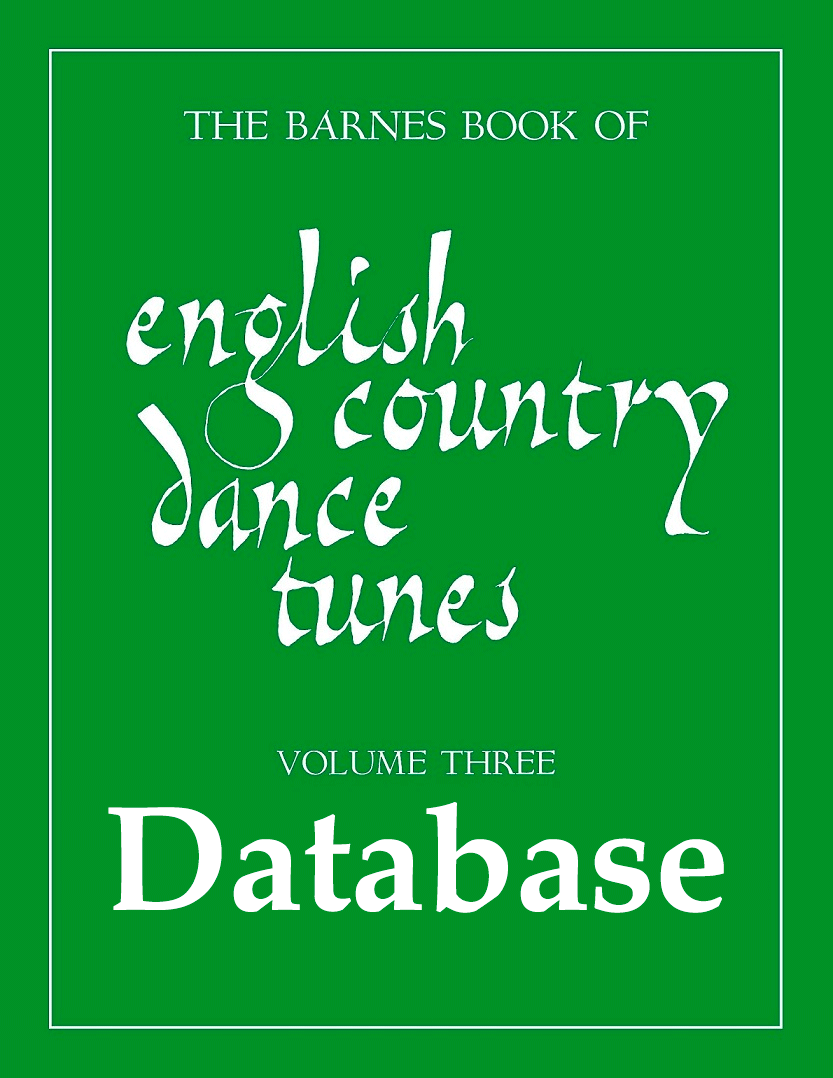
  • The Barnes Book of English Country Dance Tunes Volume Three Database Barnes Three Dance Database

    Barnes Three Dance Database: A database of the tunes and associated dances in Volume Three of the Barnes Book of English Country Dance Tunes, with links to dance instruction and further information about many of the dances.

  • A treasure chest filled with gold The Performing Arts in Colonial American Newspapers, 1690-1783

    The Colonial Music Institute (compiled by Mary Jane Corry, Kate Van Winkle Keller, and Robert M. Keller): The Performing Arts in Colonial American Newspapers, 1690-1783 — This publication fills a major gap in access to eighteenth-century American sources for research in the performing arts and related humanities fields. It includes all references to music, poetry (lyrics), dance, and theater found by our readers in American newspapers, from the earliest extant copy (1690) through the end of the Revolutionary War (1783).

  • A treasure chest filled with gold Early American Secular Music and Its 
European Sources, 1589–1839

    The Colonial Music Institute (compiled by Robert M. Keller, Raoul F. Camus, Kate Van Winkle Keller, and Susan Cifaldi): Early American Secular Music and Its 
European Sources, 1589–1839: An Index — This is a series of indexes derived from a data base of musical information compiled from primary sources covering the 250 years of the initial exploration and settlement of the United States. It consists of over 75,000 entries that are sorted by text (titles, first lines, recitatives, chorus and burden), by music incipits (represented in scale degrees, stressed notes and interval sequences), with additional indexes of names and theater works.

  • A treasure chest filled with gold Dance Figures Index: American Country Dances, 1710-1830

    The Colonial Music Institute (compiled by Robert Keller): Dance Figures Index: American Country Dances, 1710-1830 — A guide to the basic figures in all American printed and manuscript longways country dances in eighteenth- and early nineteenth-century sources. It is drawn from a computer database of information which was gathered from 82 sources, 53 printed and 29 in manuscript.

  • A treasure chest filled with gold Early American Songsters, 1734-1820

    The Colonial Music Institute (compiled by Robert Keller): Early American Songsters, 1734-1820: An Index —An index of all of the known songsters currently available. The index draws heavily from Irving Lowens’ Bibliography of Songster Printed in America Before 1821 (Worcester: American Antiquarian Society, 1976), for titles and other bibliographical information. Lowens defines a songster “as a collection of three or more secular poems intended to be sung.” Most of the songsters do not include music, although many contain references to the names of tunes to which the song could be sung. This publication comprises those songs published through 1800.

  • A treasure chest filled with gold Dance Figures Index: English Country Dances, 1650-1833

    The Colonial Music Institute (compiled by Robert Keller): Dance Figures Index: English Country Dances, 1650-1833 — A guide to the basic figures in major English printed longways country dances in eighteenth and early nineteenth-century sources. This database only includes sources for dances with instruction for country dances, or dances that could be identified as such. It does not include other dance forms, such as Cotillions or Allemand or similar dances.
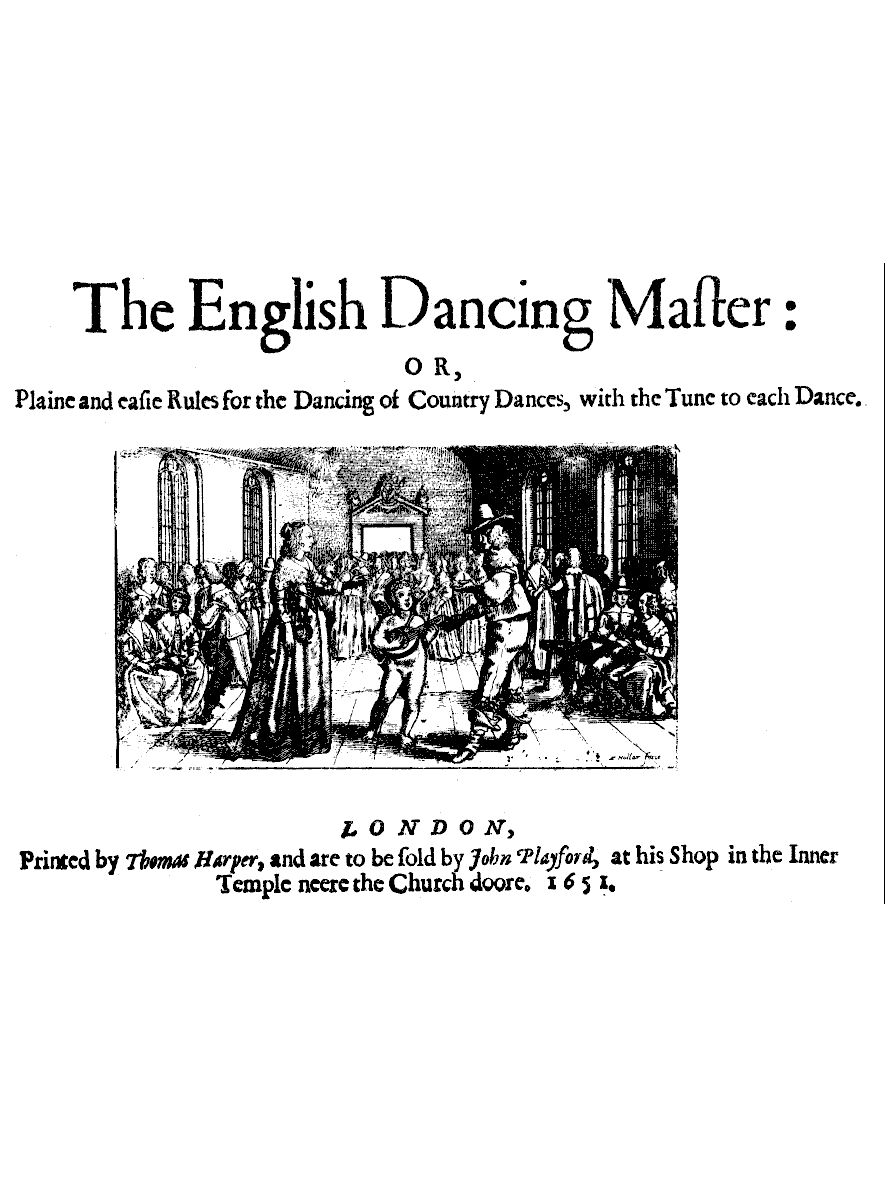
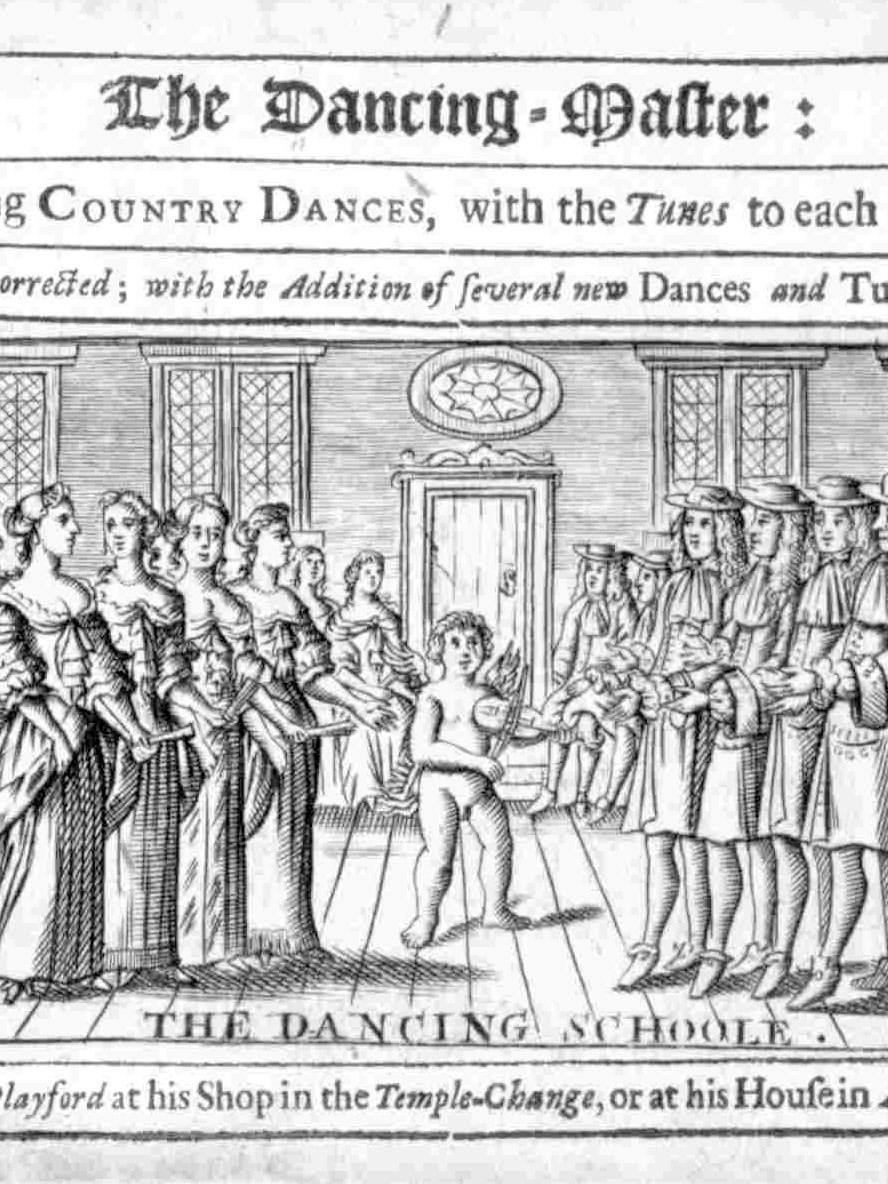
  • Cover of The English Dancing Master The Dancing Master, 1651-1728: An Illustrated Compendium

    Robert M. Keller: The Dancing Master, 1651-1728: An Illustrated Compendium (online database)—The Compendium is a searchable database of all known country dances published in the various editions of The Dancing Master, published by John Playford, Henry Playford and John Young, from 1651-1728 in London, with facsimiles of each “unique” dance with its music. This reference work is published by CDSS with the English Folk Dance and Song Society and the New Hampshire Library for Traditional Dance and Music at the University of New Hampshire.


Books
  • A blur of contra dancers, with band in the background Mary Dart: Contra Dance Choreography

    Mary Dart: Contra Dance Choreography: A Reflection of Social Change—Originally published by Garland Publishing, Inc., New York & London, 1995. Mary Dart’s classic study explores “the way the choreography of the contra dance, a folk dance tradition brought to us from the British Isles, has been changing, particularly over the last twenty years.” The book, based on interviews with callers, dance composers and musicians, looks at new dances, how they are composed, and what aesthetic and cultural principles underlie the choreographic choices made. 
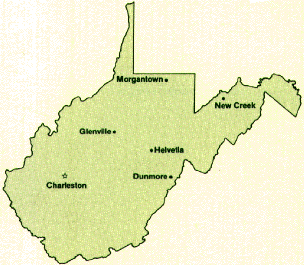
  • Map of West Virginia Robert G. Dalsemer: West Virginia Square Dances

    Robert G. Dalsemer: West Virginia Square Dances—Originally published by Country Dance and Song Society, 1982. Dalsemer describes dance figures as done in five rural West Virginia communities in the mid- to late-1970s and reports on their regular dance events, including programming, type of audience, price and method of admission, and the traditions of figure calling and musical performance. The history of each dance event is discussed, as is their on-going process of evolution. With appendices: a list of tunes commonly played for square dances; transcriptions of calls; and tunes for caller Worley Gardner’s singing and semi-singing calls.

  • A stack of books Ted Sannella: Annotated Discography and Bibliography from Swing the Next

    Ted Sannella: Annotated Discography and Bibliography from Ted Sannella’s Swing the Next — The annotations and introduction for the Discography and Bibliography in Swing the Next (CDSS, 1996) are included here in their entirety. Swing the Next is a collection of 80 American square, contra, triplet and circle dances, the majority of them written by Ted Sannella, a master of the art of calling American traditional dances.
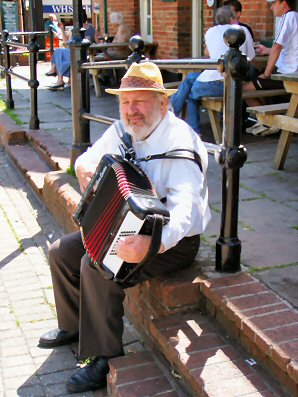
  • Roy Dommett playing the accordion Roy Dommett’s Morris Notes

    Roy Dommett’s Morris Notes Online Edition — the foundational resource, long out of print, available online.
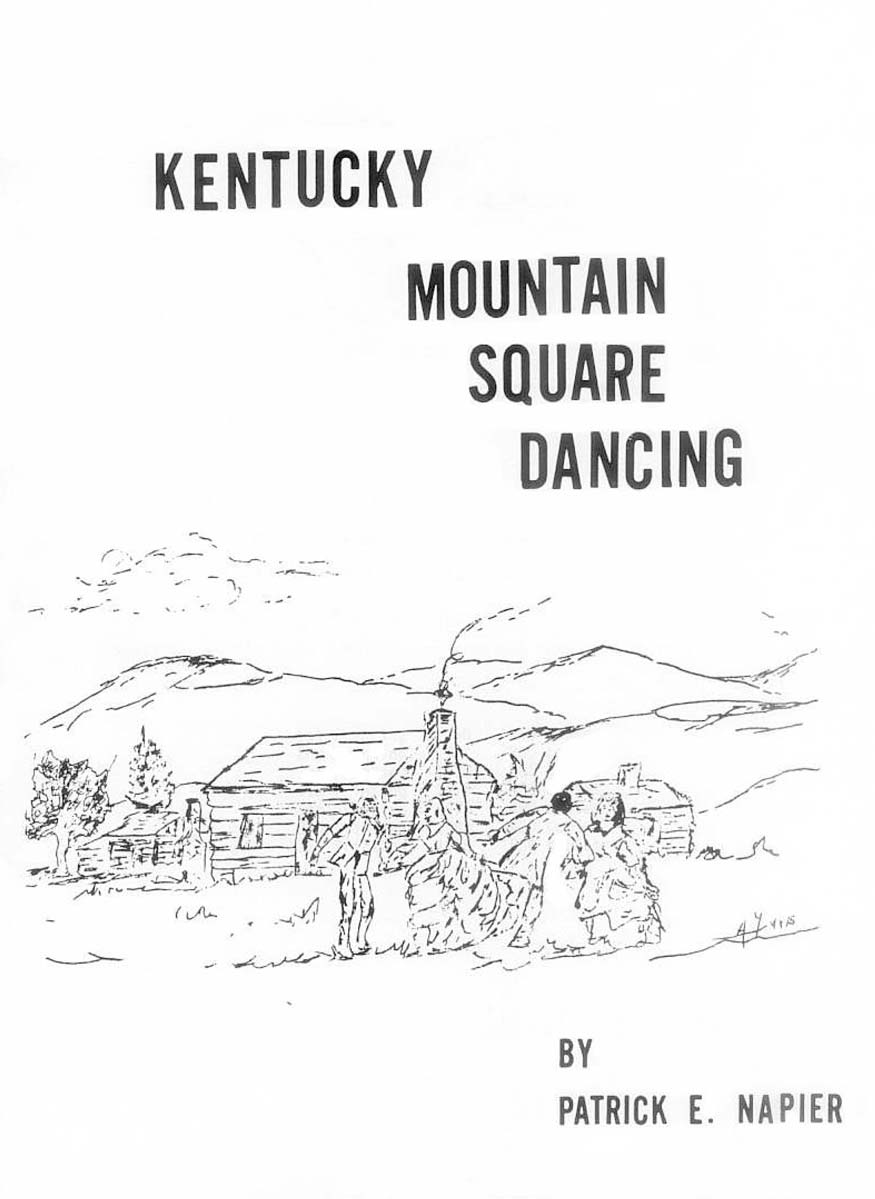
  • Kentucky Mountain Square Dancing cover Patrick Napier: Kentucky Mountain Square Dancing
  • GEMS: The Best of the Country Dance and Song Society's Diamond Anniversary Music, Dance and Song Contest GEMS: The Best of CDSS’s Diamond Anniversary Music, Dance and Song Contest

Magazines and Newsletters

Dances and Other Resources

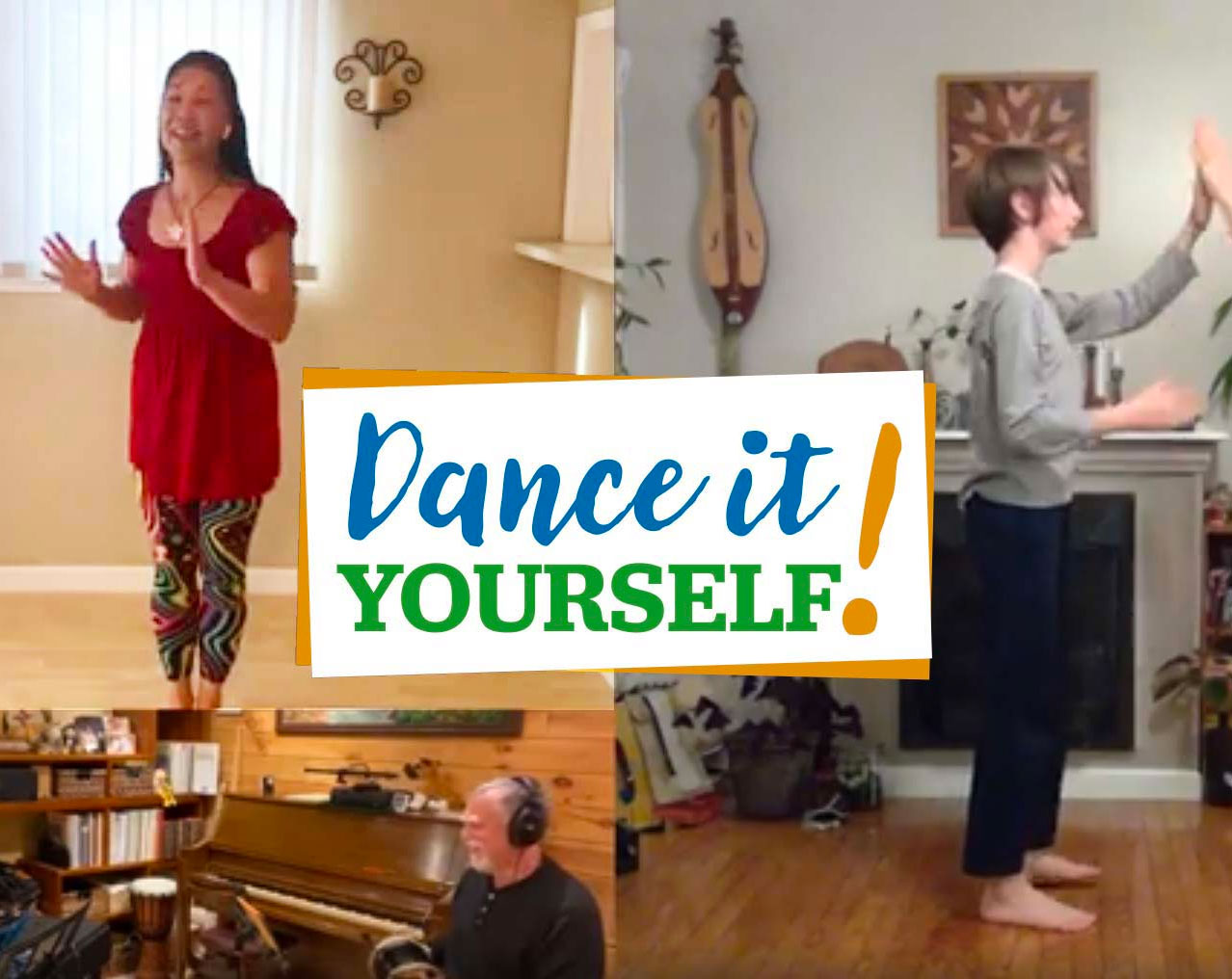
  • Dance It Yourself! Dance It Yourself

    Dance It Yourself is a multigenerational dance video series, originally produced during the pandemic. The six interactive videos feature well-known traditional dance callers, musicians, and a wide variety of dance styles, all of which can be done solo or in a couple.

  • Saro Lynch-Thomason Songs That Speak

    Songs That Speak is a monthly YouTube series by Saro Lynch-Thomason, supported in part by CDSS. Learn about the history, folklore, and modern-day relevance of traditional songs, and sing along as Saro teaches each song through sing-and-repeat.

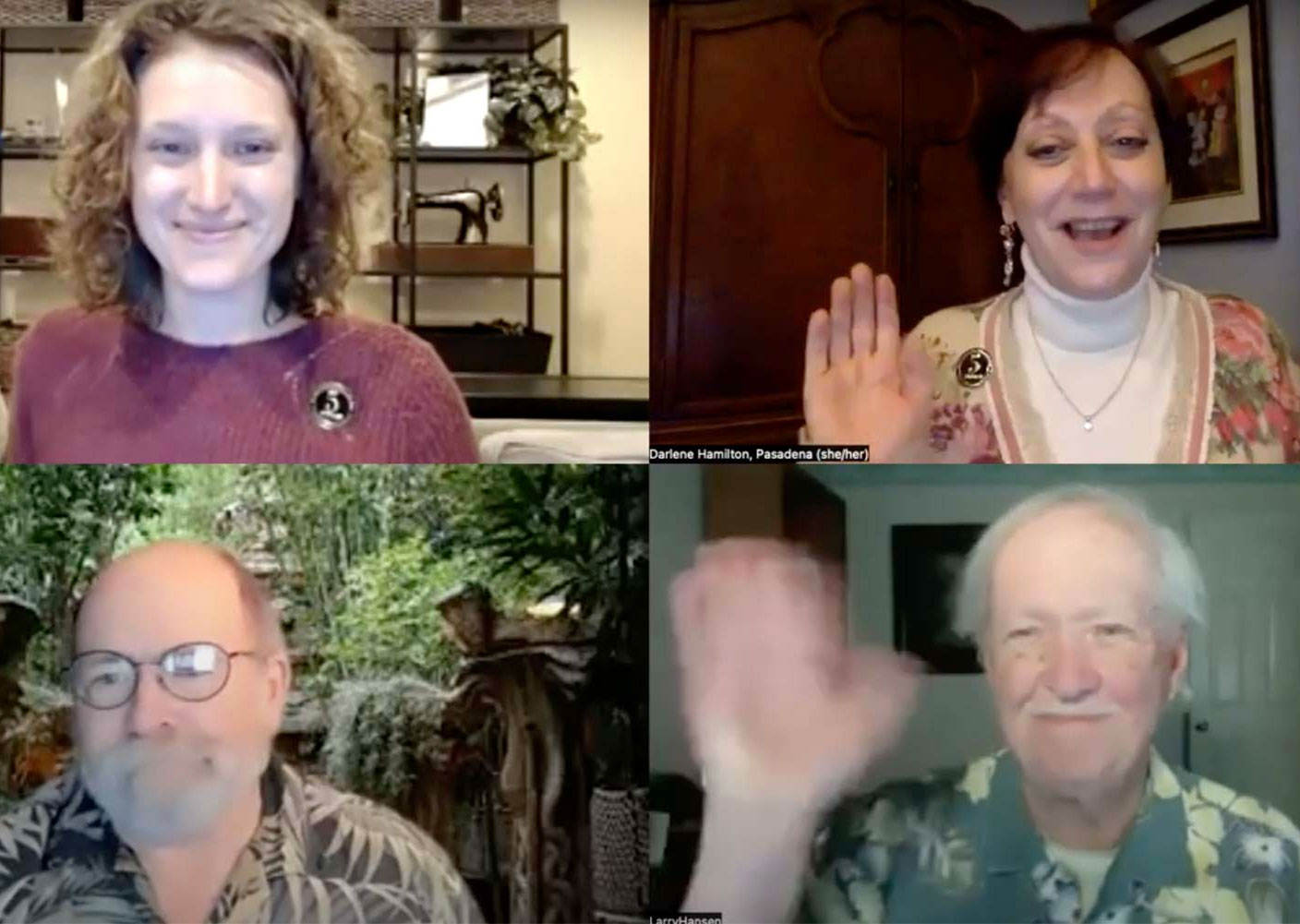
  • Darlene Hamilton with guests in a Zoom chat 5 Things: Inside the Dancing Mind of…

    “5 Things: Inside the Dancing Mind of…” is an online video series featuring movers and shakers in the English country dance community. Each guest discusses the five things they feel are most important to their passion for ECD. “5 Things…” is hosted by the Historical Tea & Dance Society and archived by CDSS.

  • Flying Shoes Radio Hour Flying Shoes Radio Hour

    The Flying Shoes Radio Hour is a podcast featuring music and interviews with contra dance musicians. It was created to highlight the roots and branches of the contra dance music we love, the musicians who play it with and for others, and the dancers of all ages that it inspires.

  • From the Mic From the Mic

    From the Mic is a podcast about North American social dance calling. Through conversations with callers across the continent host Mary Wesley will explore the world of square, contra, and community dance callers. Why do they do it? How did they learn? What is their role, on stage and off, in shaping our dance communities? What can they tell us about the particular corner of the dance world that they know, and love, the best?

  • Contra Pulse Contra Pulse

    Contra Pulse is a podcast taking the pulse of contra dance music today through a series of conversations between host Julie Vallimont and prominent contra musicians from all corners.  Join us in this journey through music, dance, time, space, and community.

  • Singers at the Youth Traditional Song conference. Photo by Lorelei Erisis. Song of the Month

    The Song of the Month is an ongoing collection of folk songs, curated by members of our community. Each song comes with a story, sheet music, and audio recording for learning.

  • CDSS News, Spring-Summer 2025 CDSS News Magazine

    The CDSS News is a three-times-yearly magazine featuring articles, letters, and art about dance and song.

  • CD+S Online Volume 3 cover CD+S Online

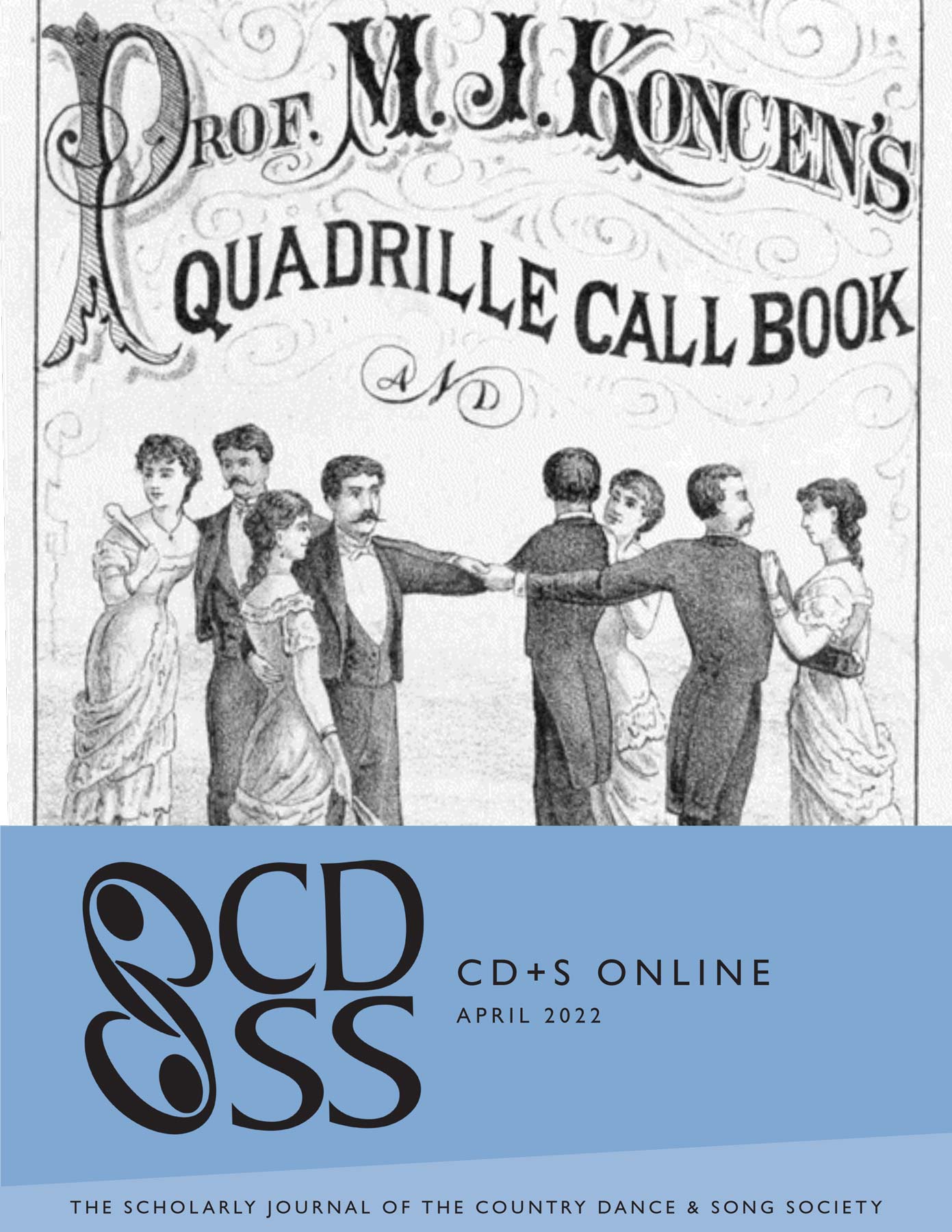
    CD+S Online is a peer-reviewed scholarly journal published every couple of years and features more in-depth articles than the News.

  • Cover of Playford's The Dancing Master Online Library

    The CDSS Online Library contains free digital copies of previously out-of-print dance books and databases, including Roy Dommett’s Morris Notes, Ken Sheffield’s “From Two Barns” collection, and various indexes from the Colonial Music Institute.

  • Dimond Library reading room at the University of New Hampshire Archive & Collections

    The CDSS Archive & Collections are housed in the Milne Special Collections & Archives at the University of New Hampshire. The CDSS Library is a collection of nearly 3,000 books, 400 periodicals, pamphlets and sheet music, and close to 2000 recordings. The CDSS Archives is a collection of manuscripts, personal papers, microfiche recordings, and archival materials from CDSS history.

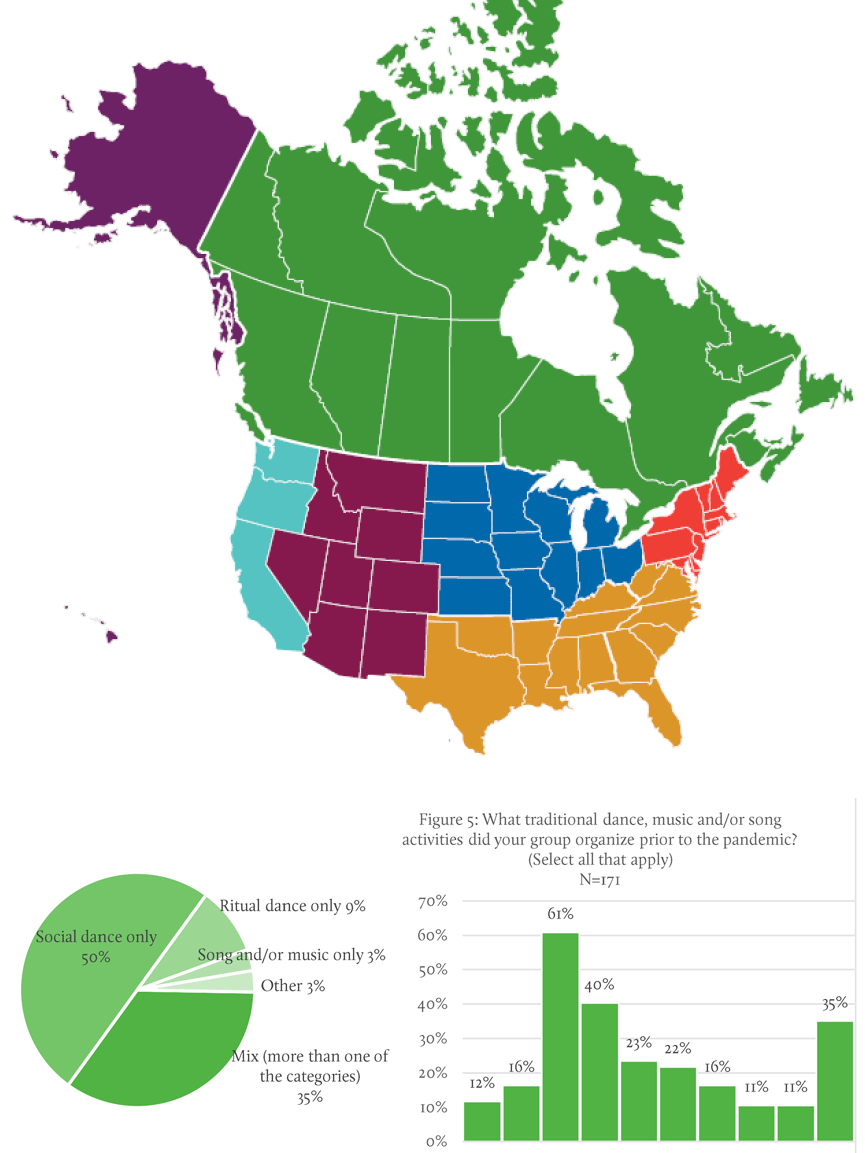
  • Map and graphs from community surveys Community Studies

    CDSS Community Studies are recent surveys conducted by us, including CDSS Affiliate Surveys from 2019-2021, the 2018 US Organizer Survey, and the 2017 Canadian Organizer Survey.

  • Elementary school kids holding hands in a dance Lesson Plans

    The CDSS Educators Task Group presents Lesson Plans to introduce students to a variety of topics in traditional music and dance.

Advertise with CDSS!

Read

  • CDSS News, Spring-Summer 2025 CDSS News Magazine

    The CDSS News is a three-times-yearly magazine featuring articles, letters, and art about dance and song.

  • CD+S Online Volume 3 cover CD+S Online

    CD+S Online is a peer-reviewed scholarly journal published every couple of years and features more in-depth articles than the News.

  • Cover of Playford's The Dancing Master Online Library

    The CDSS Online Library contains free digital copies of previously out-of-print dance books and databases, including Roy Dommett’s Morris Notes, Ken Sheffield’s “From Two Barns” collection, and various indexes from the Colonial Music Institute.

  • Dimond Library reading room at the University of New Hampshire Archive & Collections

    The CDSS Archive & Collections are housed in the Milne Special Collections & Archives at the University of New Hampshire. The CDSS Library is a collection of nearly 3,000 books, 400 periodicals, pamphlets and sheet music, and close to 2000 recordings. The CDSS Archives is a collection of manuscripts, personal papers, microfiche recordings, and archival materials from CDSS history.

  • Map and graphs from community surveys Community Studies

    CDSS Community Studies are recent surveys conducted by us, including CDSS Affiliate Surveys from 2019-2021, the 2018 US Organizer Survey, and the 2017 Canadian Organizer Survey.

Listen

  • Singers at the Youth Traditional Song conference. Photo by Lorelei Erisis. Song of the Month

    The Song of the Month is an ongoing collection of folk songs, curated by members of our community. Each song comes with a story, sheet music, and audio recording for learning.

  • Contra Pulse Contra Pulse

    Contra Pulse is a podcast taking the pulse of contra dance music today through a series of conversations between host Julie Vallimont and prominent contra musicians from all corners.  Join us in this journey through music, dance, time, space, and community.

  • From the Mic From the Mic

    From the Mic is a podcast about North American social dance calling. Through conversations with callers across the continent host Mary Wesley will explore the world of square, contra, and community dance callers. Why do they do it? How did they learn? What is their role, on stage and off, in shaping our dance communities? What can they tell us about the particular corner of the dance world that they know, and love, the best?

Watch

  • Dance It Yourself! Dance It Yourself

    Dance It Yourself is a multigenerational dance video series, originally produced during the pandemic. The six interactive videos feature well-known traditional dance callers, musicians, and a wide variety of dance styles, all of which can be done solo or in a couple.

  • Saro Lynch-Thomason Songs That Speak

    Songs That Speak is a monthly YouTube series by Saro Lynch-Thomason, supported in part by CDSS. Learn about the history, folklore, and modern-day relevance of traditional songs, and sing along as Saro teaches each song through sing-and-repeat.

  • Darlene Hamilton with guests in a Zoom chat 5 Things: Inside the Dancing Mind of…

    “5 Things: Inside the Dancing Mind of…” is an online video series featuring movers and shakers in the English country dance community. Each guest discusses the five things they feel are most important to their passion for ECD. “5 Things…” is hosted by the Historical Tea & Dance Society and archived by CDSS.

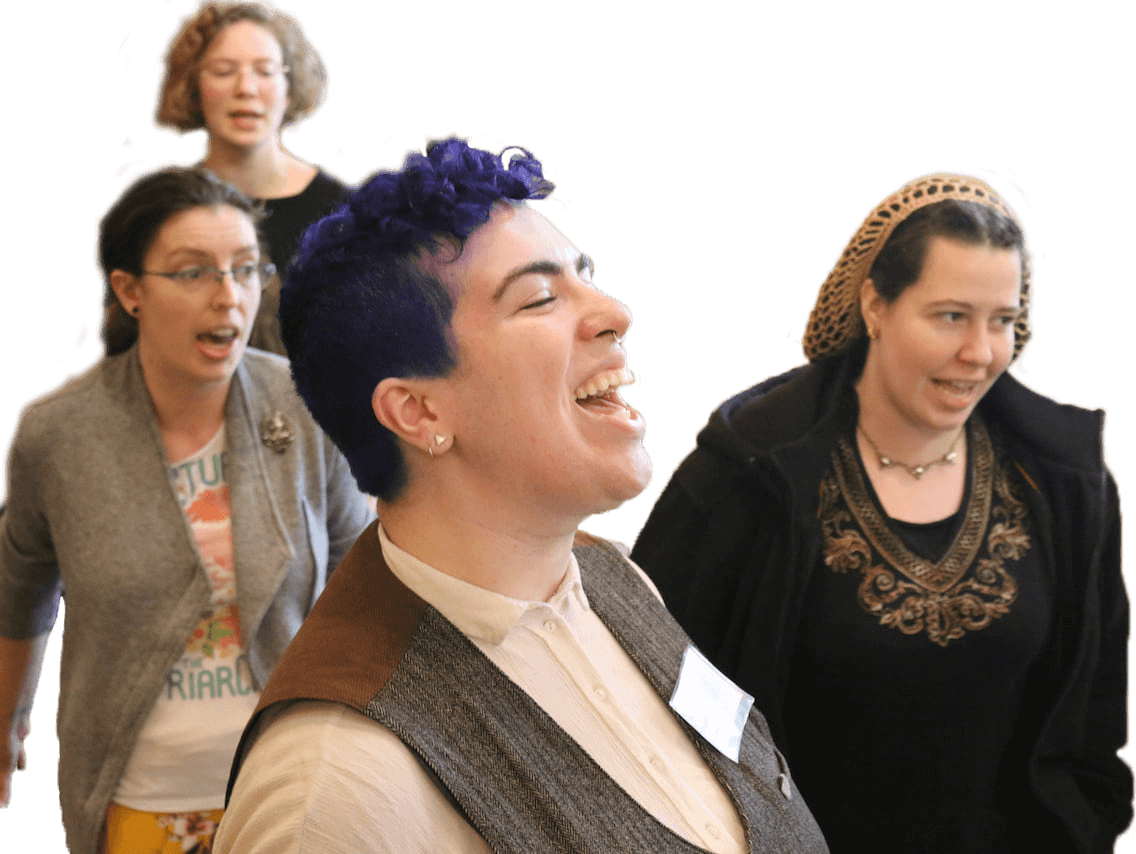
Younger dancers with arms around each other2023 Generational Transition Survey

In 2023, we conducted a survey of people aged 18-44 in folk communities in order to better understand why this demographic is underrepresented in CDSS membership and learn more about how to support them in the future.

This knowledge will serve as one of a number of inputs for us to consider in providing resources and programs that address the needs of this age demographic, and it will help us support individuals and communities trying to engage younger participants and leaders.


Annual Affiliate Surveys

2021 Affiliate Survey Report

In 2021, we conducted our third annual Affiliate survey. This year, we also asked about how groups have been doing through the pandemic, what kind of data they collect from their attendees, any cultural equity work they’ve taken on, and more. 63% of Affiliates responded—the most since the survey began in 2019.

Click here to read the full 2021 report.


2020 Affiliate Survey Report

In 2020, we conducted another Affiliate survey to learn even more about the work that Affiliates are doing and how we can best support them. We were thrilled that 62% of Affiliates responded – an incredible response rate! We learned much and have been using the survey findings to direct our decisions and actions.

Click here to read the full 2020 report.


2019 Affiliate Survey Report

In 2019, CDSS conducted its first survey of Affiliates in over a decade. Our goal was to develop a strong base knowledge of our Affiliate community so that we could better support our network of organizations throughout North America and beyond.

In particular, we wanted to learn:

  • More about our Affiliates and the work they are doing.
  • What Affiliates like about the services we provide and how we can improve.
  • What value Affiliates see in traditional participatory arts and what advocacy work can be done to support our shared traditions.

Click here to read the full 2019 report.


Organizer Surveys

2018 Canadian Organizer Survey

To serve our mission of encouraging thriving local communities throughout the continent of North America, CDSS undertook a study to learn how to best support local traditional music, dance, and song organizers in Canada. The study focused on local organizers, as they are essential to fostering the communities of dance, music, and song traditions that we collectively value.

Whether it be Newfoundland traditional song, Métis step dance, or northern fiddle traditions – every folk tradition is culturally significant. They reflect the shared values and heritage and help to define a sense of identity and belonging. Shared among all of these traditions is the impact they have on individuals, the wider community, and society. Often, there is commonality between organizers of different traditions. For instance, organizers of a Cape Breton traditional square dance, contra dance in British Columbia, or a veillée de danse Québécoise often do similar work, share similar challenges, and could benefit from similar supports. Thus, by sharing across traditions, we create more vibrant and resilient communities for all. CDSS hopes that this study is not only helpful for our work and for local organizers but that it is also useful to other umbrella arts organizations. We plan to take action on common interests that have arisen through the study and we will look at ways to address particular interests where we can, often in partnership with others.

The report has two sections. The first ten pages contains the main report while the following 40 pages present the findings of each survey question for those who want to delve deeper into the findings. The report describes who is organizing what throughout Canada. It also goes into depth regarding the strengths and successes of various groups, the challenges that organizers face, and the supports organizers currently need. One particular survey question (question 34 in the appendices) is particularly inspiring as it highlights organizers’ impressions of how TDMS positively impacts individuals, communities, and the wider society.

Click here for the full survey report in English

Cliquez ici pour le rapport d’enquête complet en français


2018 US Organizer Survey

Following closely upon the release of the Canadian study, we conducted a follow-up survey of organizers in the US. The primary purpose of the second survey was to learn about the current challenges and needs of local organizers who are CDSS members (group affiliate or individual/family). A subset of the Canadian survey questions was used for the US survey to determine whether the Canadian findings resonated with US organizers, and where there might variation.

While there were a few differences, the similarities were dramatic. For instance, as with the Canadian organizers, US organizers are currently most concerned with issues around attendance.

Both studies included questions about the types of supports organizers would find most helpful. We are now taking action on a number of these findings in order to strengthen our support of local organizers as we believe local organizers are truly essential to fostering the communities of dance, music, and song traditions that we collectively value.

Click here for the full survey report

Also, check out this article in the Fall 2019 CDSS News.

Mother Shipton: Your Favorite Witch You’ve Never Heard Of!

Learn to Sing “Mother Shipton:”

Introduced by Shelley Posen

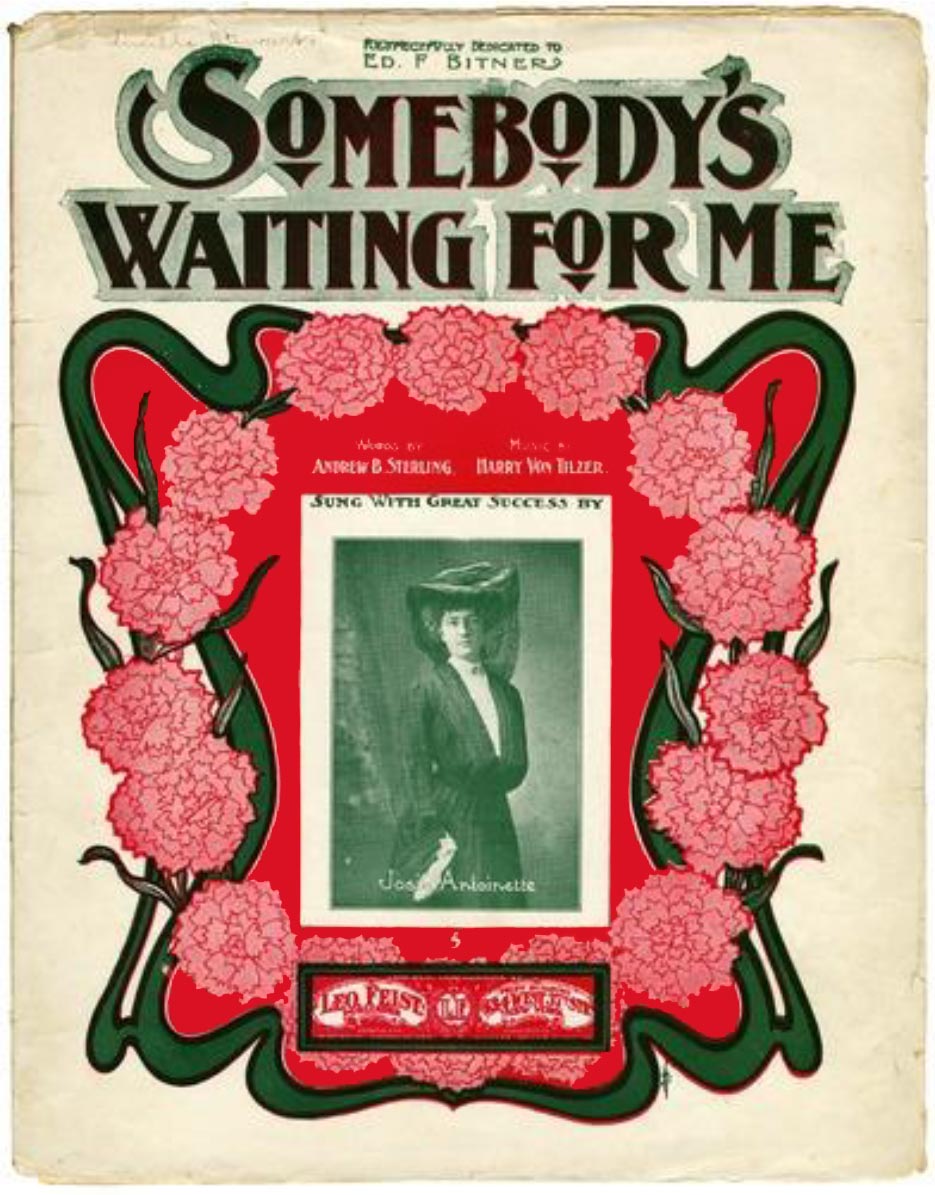
One of my all-time favourite traditional songs was originally titled, “Somebody’s Waiting for Me,” but the traditional singer who performed it best, as far as I am concerned, called it “Country Garden.”

That singer was Mac Masters, a Newfoundland sea captain I met in the early 1970s through my fellow Folklore graduate student, Wilf Wareham. Wilf’s father had been the merchant in Harbour Buffett, a fishing settlement on an island in Placentia Bay off the south coast of Newfoundland.

Old Mr. Wareham used to send Mac and his schooner around the bay every fall to pick up the salt fish made that summer. Wilf told me Mac was an especially welcome visitor in each outport, because evenings, after the fish had been loaded into the schooner’s hold, there’d be a “time” or party, and Mac would sing.

Mac must have been a splendid singer back then, because when I first heard him perform decades later, his strong, reedy voice still kept excellent pitch, and he beguiled the ear with a quirky sense of melody and changes of rhythm. His large repertoire was replete with late Victorian sentimental ditties such as “Country Garden.“

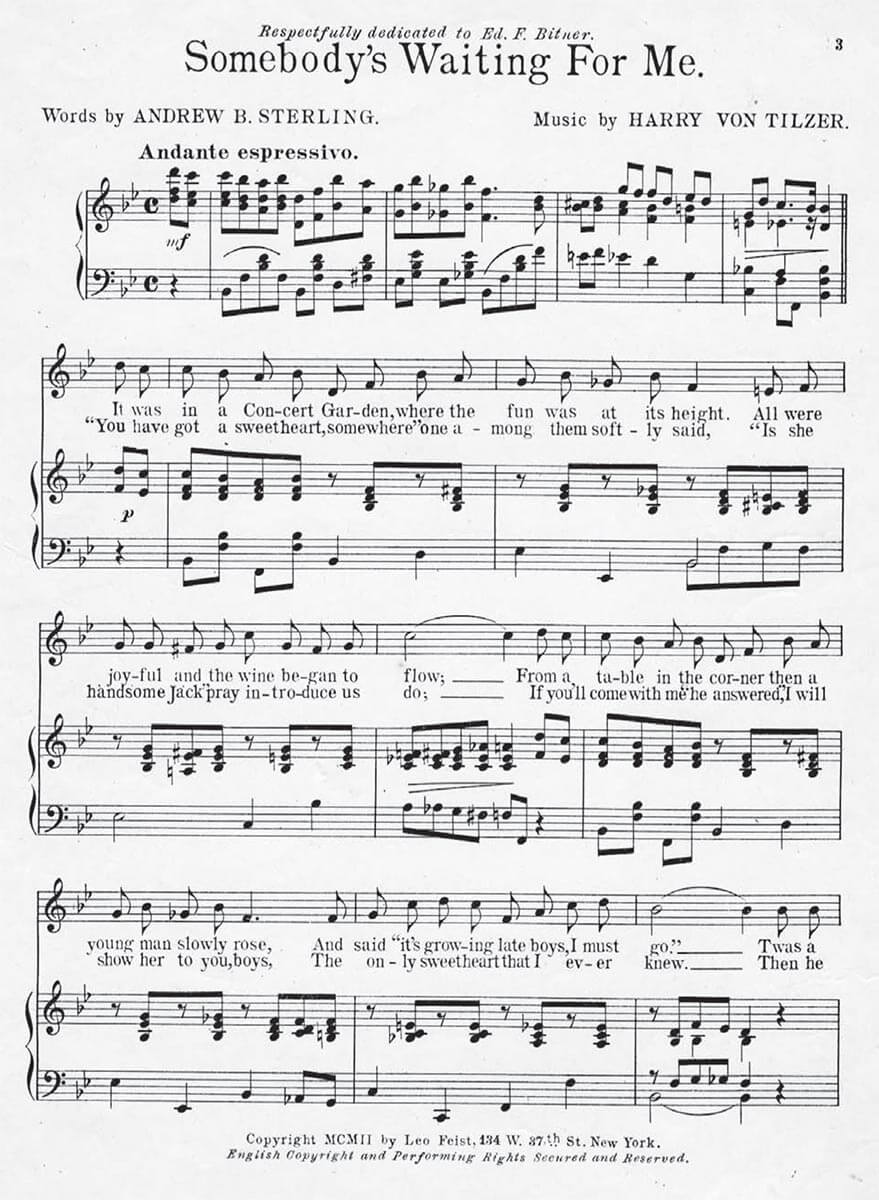
“Somebody’s Waiting for Me” was composed in 1902 by Andrew B. Sterling (words) and Harry von Tilzer (melody), two pioneers of Tin Pan Alley long before it was called that. The song’s first line set the narrative in a “concert garden”—a small beer garden or hall, usually attached to a tavern, where customers could drink and party while entertainers performed on a small stage. Concert gardens were American cousins of the Parisian café concert and the English music hall of the same era. They preceded vaudeville by a decade or two.

There’s only one recording I know of Mac performing this song, made by Wilf Wareham in the field. On the tape, Mac has a hard time putting the first verse together and finally just pushes through to the chorus, then nails the second verse and final chorus. He says he got the song from—well, the name sounds like “Martin Godden:” “We always got Martin to sing that, and he could sing it too, mister.”

The song lyric as Mac sings it differs in slight but interesting ways from the original, making it more, well, “Newfoundland.” In his version, as his title would indicate, “concert garden” is replaced by “country garden”—a concept he as a Newfoundlander would be more familiar with. And the second line’s “All were joyful and the wine began to flow” in Mac’s version becomes “Where ‘twas joyful and the wind began to blow.” Again, very Newfoundland. Whether Mac himself made these changes, and if so, on purpose or inadvertently, there’s no way of knowing.

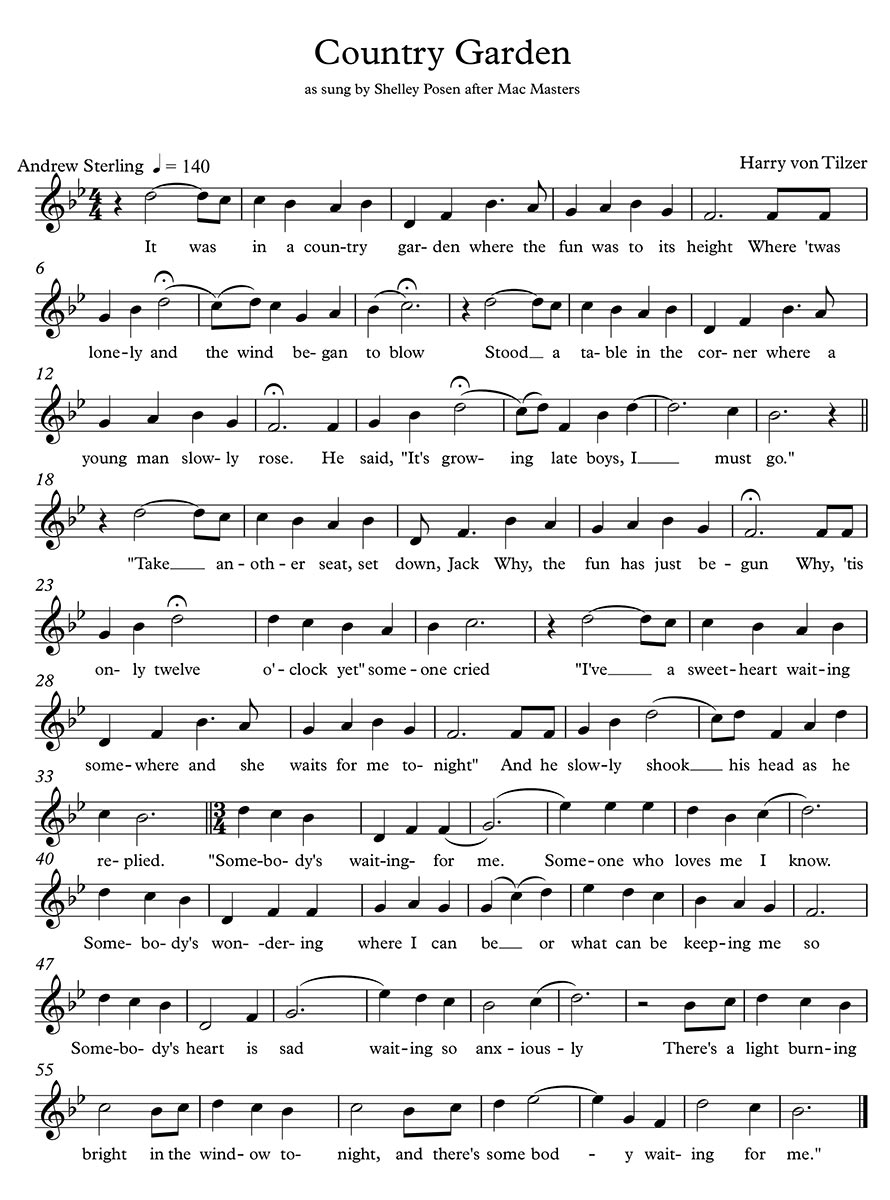
The rest of the song’s story as Mac sings it is pretty much as written. But not the tune. Mac has an uncanny way of leaping and lingering as he makes his way through the song, shaping melody to lyric. Recorded versions of “Somebody’s Waiting For Me” by other performers (see Resources) present a workaday melody belonging to the time. Mac takes that melody and knocks it here, pulls it there, and pushes it somewhere else until it becomes quite new and altogether better. The song is already magically written in two time signatures: 4/4 for the verses, 3/4 for the chorus. Mac spins that gold into platinum. He also sublimes it into a melody that could never be accompanied by any instrument, except perhaps a solo fiddle playing the exact notes as he sang them. As with many traditional songs, this one is best performed alone.

I certainly can’t imagine “Country Garden” sung any other way. In fact, that’s the way I sing it myself now—or try to. The other day I was in a restaurant with a friend: I found myself telling her about Mac and the song, and I couldn’t resist quietly singing it to her across the table. She was moved to tears by the time I finished. It wasn’t me—it was Mac singing, through me, a grand old song.

[Thanks to the Memorial University Folklore and Language Archives (MUNFLA) for a copy of the recording 70-008_C775 from the collection of Wilf Wareham, Arnold’s Cove, 10.6.70.]

Listen to Shelley sing “Country Garden:”

"Somebody's Waiting for Me" sheet music from 1902
Download a PDF of the sheet music for “Somebody’s Waiting for Me” from 1902.
"Country Garden" sheet music
Download a PDF of the sheet music for “Country Garden,” edited by Shelley Posen.

Lyrics: Country Garden as sung by Mac Masters

It was in a country garden when the fun was to its height
Where ‘twas joyful and the wind begin to blow
Stood a table in the corner where a young man slowly [said]
He said, “It’s growing late, boys, I must go.”

“Take another seat, set down, Jack, why the fun has just commenced!”
“Why, it’s only twelve o’clock yet!” someone cried … *
[Lines forgotten, replaced with:]
He said, “It’s growing late, boys, I must go.”

“Somebody’s waiting for me, someone who loves me I know
“Somebody’s wondering where I can be or what can be keeping me so
“Somebody’s heart is sad waiting so anxiously
“There’s a light shining bright in the window tonight
“For there’s somebody waiting for me.”

“I have got a sweetheart somewhere,” one among them softly said
“If she’s handsome Jack, please introduce us, too”
“If you’ll come ’long with me, I will show her to you, boys
“She’s the only sweetheart that I ever knew.”

He took us to a cottage, pointing through a windowpane
Where an old grey-headed woman sat with bowed down head
“She’s my mother and my sweetheart, she’s the one I meant tonight
“So you see I told the truth, boys, when I said:

“Someone is waiting for me, someone who loves me I know
“Someone is wondering where I can be or what can be keeping me so
“Somebody’s heart is sad waiting so anxiously
“There’s a light shining bright in the window tonight
“For there’s somebody waiting for me.”

* Two last lines for this verse should be:
“I’ve a sweetheart waiting somewhere, and she waits for me tonight
And he slowly shook his head as he replied:”

Resources

“Somebody’s Waiting for Me” is Roud #15784. Other titles: “The Concert Garden,” “My Only Sweetheart.” There is one Newfoundland entry, but it is not Mac Masters’s “Country Garden.”

Recordings (other singers):

Shelley Posen is a retired folklorist and songwriter living in Ottawa, Canada. Formerly Curator of Canadian Folklife at the Canadian Museum of History, his Ph.D. dissertation was based on research he conducted into singing in the Irish-French Ottawa Valley community of Chapeau, Quebec. Shelley has sung at folk festivals, in clubs and kitchens, and on concert stages in the U.S. and Canada. He was a member of the close harmony folk trio, Finest Kind, who toured North America and the U.K. for two and a half decades and recorded some 7 CDs. Shelley has recorded 4 CDs of his own.

Introduced by Harry Tuft

My early introduction to folk music was a recording of Burl Ives, and on that one he sang “Waly, Waly.” Not too long after, I was introduced to the recordings of Pete Seeger—that’s where I first heard “The Water Is Wide,” and I was struck by the fact that there were similar verses in the two songs. Wikipedia tells me that it was Cecil Sharp in 1906 who constructed the song we now universally sing from previous related versions. For fun, look there and you’ll see the diversity of artists who have recorded it.

Over the years, I heard so many versions of the song, and interestingly, most of them included the same verses—no “folk process” here, apparently. And I always liked the song, but particularly the versions by Steve Goodman and James Taylor—they both “Americanized” the lyric, and I appreciated that. So, when it came to my version, I did make three changes: 1) a slightly Reggae beat; 2) I end all verses on the “four,” never resolving to the “one;” 3) I have written one verse (can you tell which it is…?).

Listen to Harry sing “The Water Is Wide:”

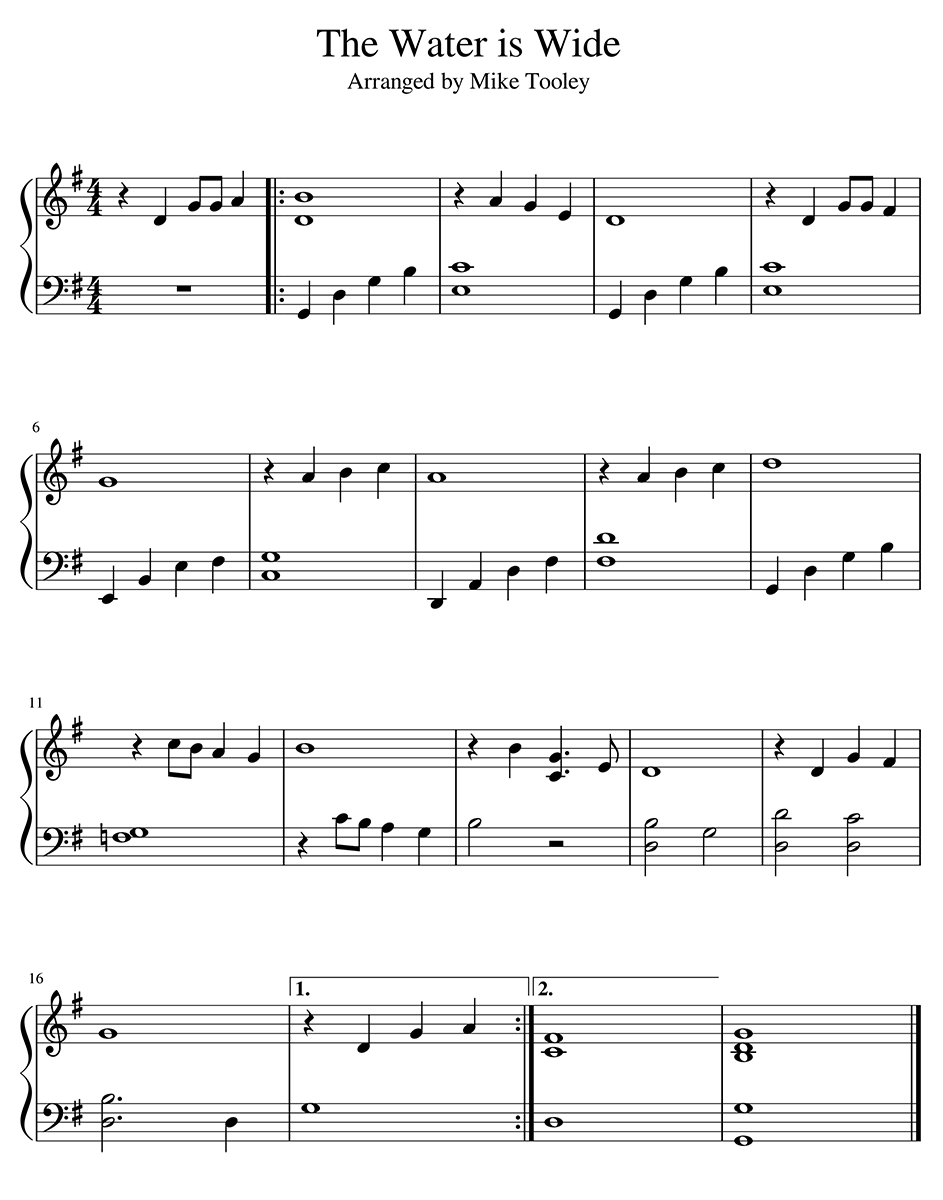
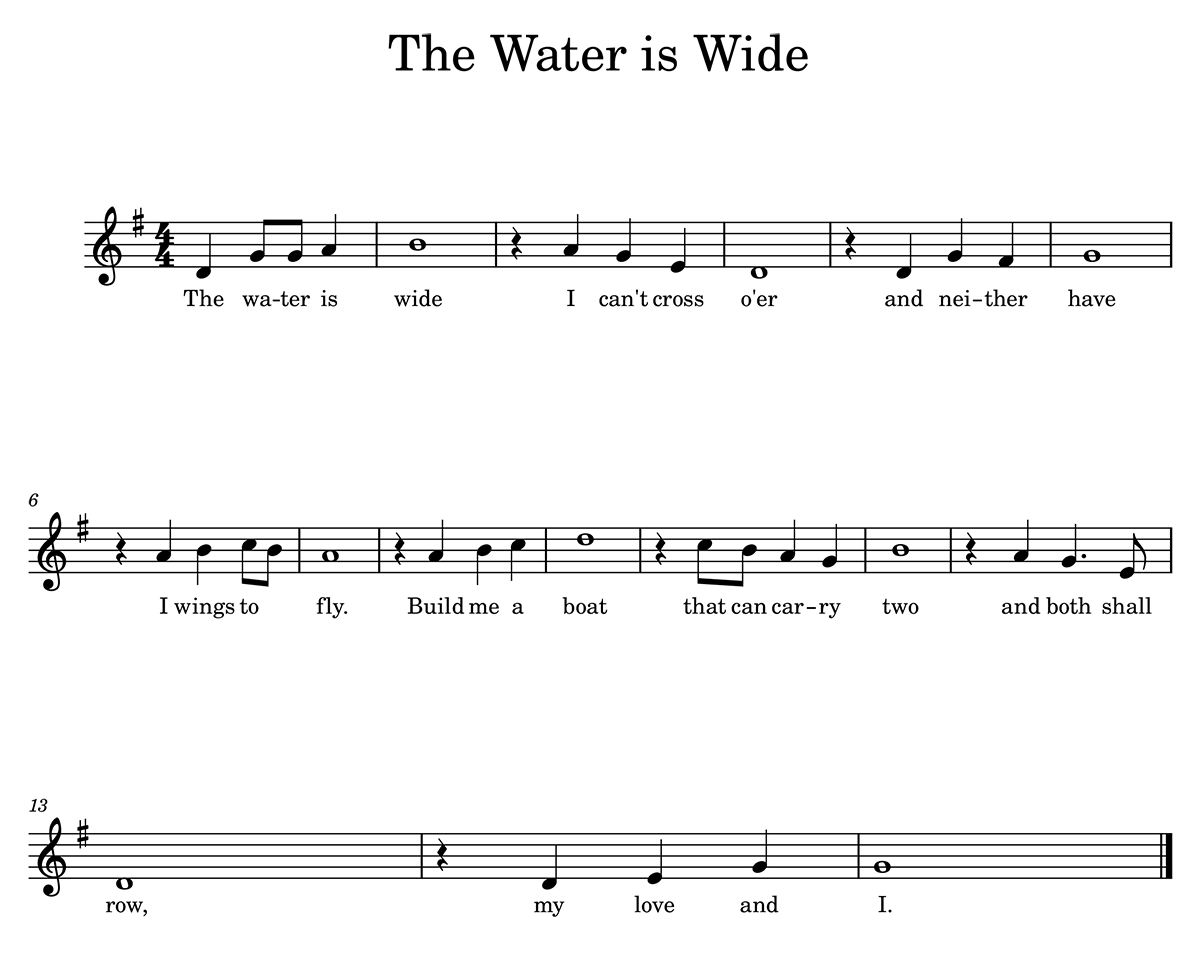
"The Water Is Wide" arrangement
Download a PDF of the arrangement by Mike Tooley.
"The Water Is Wide" simplified sheet music
Download a PDF of the simplified sheet music with lyrics.

Lyrics

The water is wide, I can’t cross over, and neither have I wings to fly.
Build me a boat that can carry two, and both shall row, my love and I.

There is a ship and she sails the sea. She’s loaded deep as deep can be.
But not so deep as the love I’m in, I know not how I sink or swim.

I leaned my back up against an oak, thinking it was a trusty tree
But first it bended and then it broke, and thus did my false love to me

Where is the love that I once knew, that was so real, love that was so true
Gone like the light at the close of day, never to return, it just fades away

For love is gentle and love is kind, and love is sweet when first it’s new
But love grows cold as love grows old, til it fades away like the morning dew.

The water is wide, I can’t cross over, and neither have I wings to fly.
Build me a boat that can carry two and both shall row, my love and I.

Harry Tuft writes: Grew up in Philadelphia in a family that enjoyed music. I owe my first interest in folk music to the recordings of Pete Seeger and Big Bill Broonzy, and to Roger Abrahams and Bob Coltman, early influencers. I credit the Gilded Cage coffee house also as a great incubator in the late fifties in Philadelphia. I started a folk music store in Denver in 1962, which I ran until I sold it to friends in 2016, which has allowed me to concentrate on making music. I also was a member of the group Grubstake, which had a run for over forty years, dormant now.

Introduced by Judy Cook

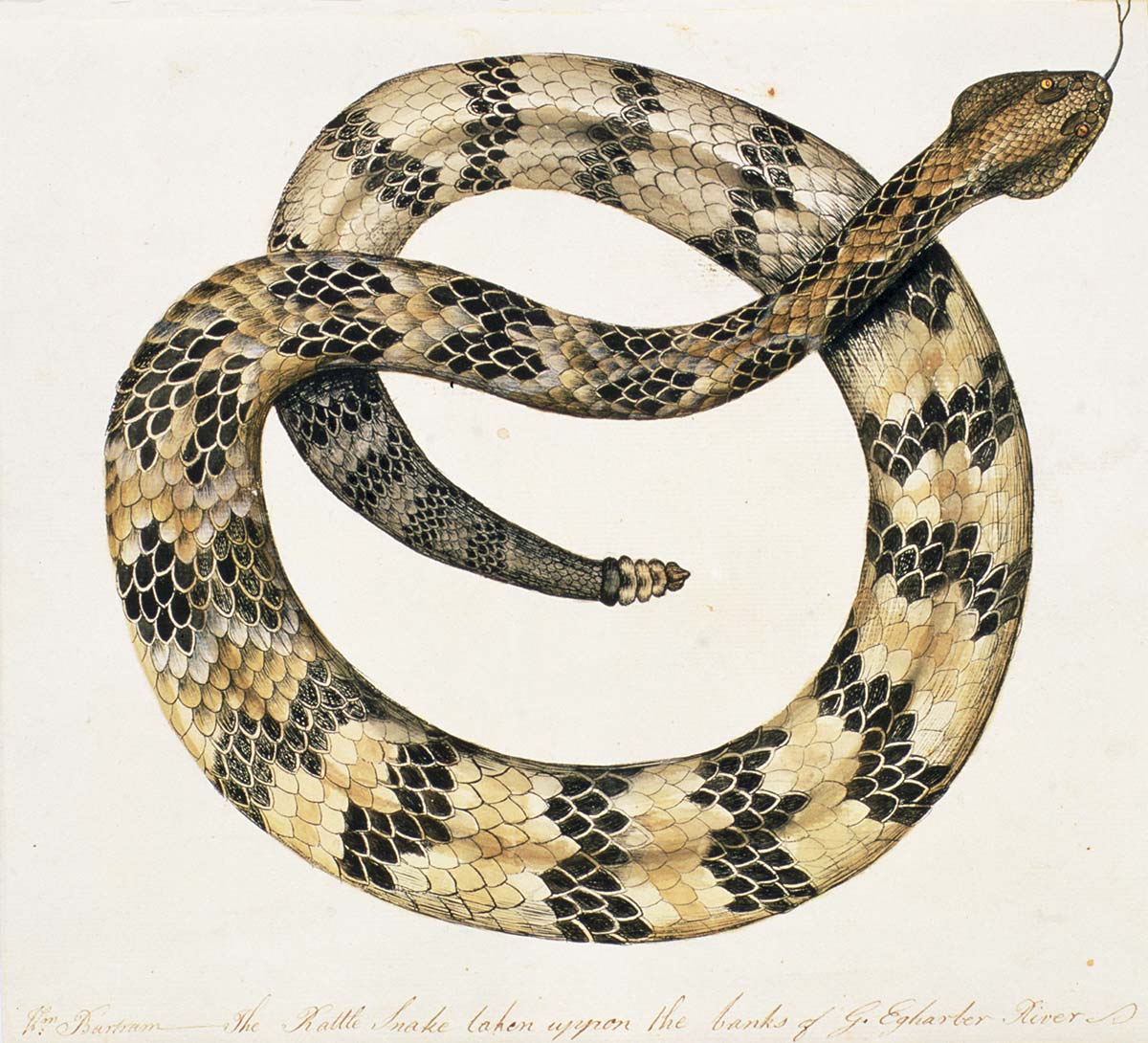
The tragedy retold in this oldest of America’s native ballads, “Springfield Mountain,” took place in southern Massachusetts in 1761. The name of the family varies in different versions of the song. In truth it was Mirick, but Cushman, the one in John Galusha’s version, was one of the oldest family names in that part of Massachusetts. The location, Springfield Mountain, is now known as Wilbraham Mountain, near Springfield, MA. The song has passed into oral tradition, and comic versions are easily found.

John Galusha spent his life in the Adirondack Mountains of New York State – as a logger, game and fishing guide, forest ranger, and farmer. In 1940, when he was 81, he and his wife were living in a farmhouse near North Creek. It was there that Anne and Frank Warner collected “Springfield Mountain” from him. The song can be found in their wonderful book “Traditional American Songs.” I have made a few slight changes to the song.

Listen to Judy sing “Springfield Mountain:”

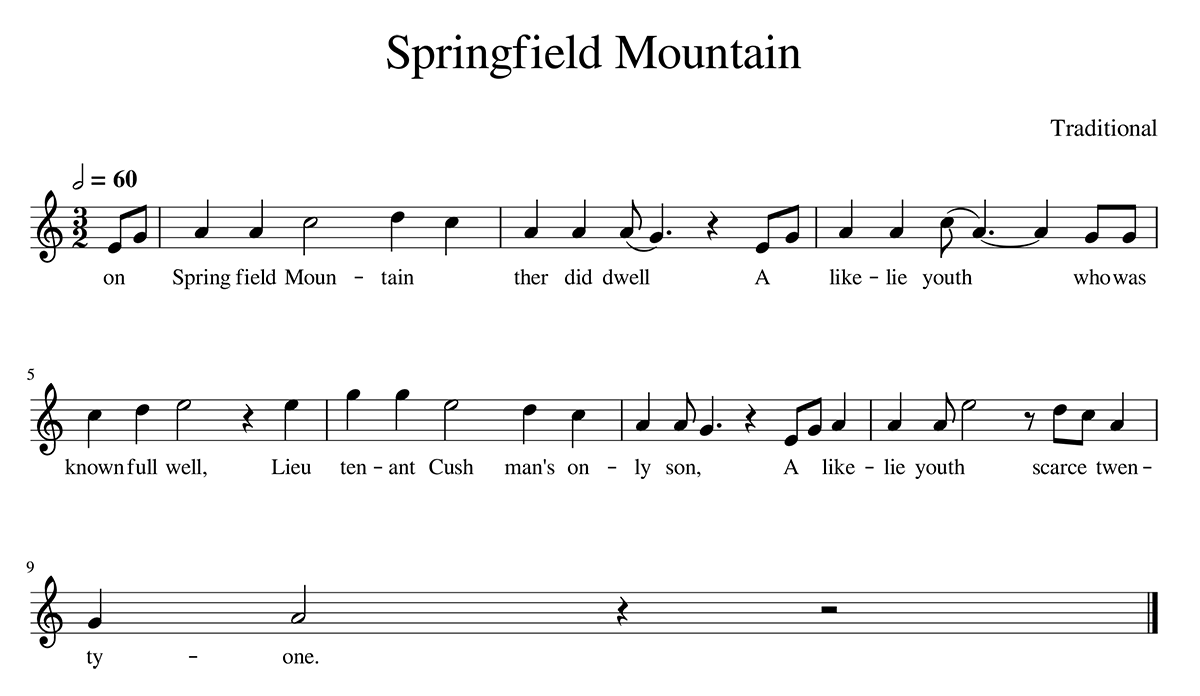
"Springfield Mountain" sheet music
Click here to download a PDF of the sheet music.

Lyrics

On Springfield Mountain there did dwell
A like-lie youth who was known full well,
Lieutenant Cushman’s only son,
A like-lie youth, scarce twenty-one

One Monday’s morning he did go
Down in the meadow for to mow.
He mowed around till he did feel
A P’izen serpent bite his heel.

When he received his death-lie wound
He laid his scythe down on the ground.
To return home was his intent,
Crying aloud long as he went.

His voice was heard both far and near,
But none of his friends did there appear,
Thinking that he some workman called,
Poor boy alone at last did fall.

It was seventeen hundred and sixty-one
When this sad accident was done.
May this a warning be to all
To be prepared when death does call.

Judy Cook is an author, entertainer, and folk singer. She has been living in Oberlin, Ohio, with her husband Dennis since 2013. Since 1998, she has been touring throughout both Britain and the US. She is known for her repertoire and storytelling ability in song. Judy has one book and several CDs. You can reach her through her website.

Copyright 2025, Country Dance & Song Society.