The portal contains a vast range of resources by and for the dance, music, and song community. From expert tips from fellow organizers and callers, to databases of dances and songs, find what you need to help engage with the traditions you love!
Resources added before 2022 do not all have explicit permission from the authors. If your resource is in the portal and you’d like it removed, please email us.
Use the search box and filters below to find resources. Tip: Selecting multiple checkboxes will give you more specific results. For example, to see specific resources for contra dance callers, select both Callers and Contra Dance.
This toolkit provides information and guidance for organizers who are interested in formally archiving the history, stories, and memorabilia from their local dance, music, or song community. The toolkit includes sections on project planning, gathering materials, organization, searchability, and preservation, with both big-picture thinking about the whys of creating an archive and detailed advice such as which file formats are best. There are helpful video guides for each section, along with written materials, checklists, and templates… everything you need to get started!
Categories: Community/Family Dance, Contra Dance, Early American Dance, English Country Dance, Organizers, Ritual Dance, Square Dance
Topics: Archiving
Photo by Doug Plummer
Eco-Conscious Traveling
By Charmaine Slaven
Originally published in the CDSS News, Fall/Winter 2025
There are so many incredible dance, music, and song events happening all around! Perhaps you make an annual journey to a favorite music festival, camp, or dance weekend. As we all travel to various places for community connection and enjoyment, what impact are we having on the environment? Carbon emissions from travel are undeniably contributing to global warming, so what can we do to lessen our impact on the environment while still participating in our favorite activities and communities? Here are some ideas we can all take into consideration as we travel:
This toolkit provides advice and resources to help organizers (you!) develop the policies, procedures, and supporting documents needed to understand and facilitate safety in your community. This toolkit is not prescriptive in regard to what your community “should be doing.” We recognize and value the range of living traditions practiced by many different communities.
This toolkit was produced by the CDSS Community Culture & Safety Task Group, 2018-2024. The CCSTG was formed to support local communities in their efforts to provide a safe environment for music, song, and dance events.
This 40-minute video introduces English Country Dancing. It teaches some of the basic moves found in many English Country dances; explains the structure of the dance; and entertains you with information about the history and practice of English country dancing.
Henry Morgenstein is the caller and the narrator (voiceover). Jacqui Morgenstein did the camera work, mostly using a Canon digital SLR recording in full HD.
Most of the footage was shot in a great dance studio in Traverse City, Michigan with friends who dance in our back room every week. But two of the dances we teach were in Emmanuel College, Cambridge UK and there are clips from Dartington Hall (also UK) and Pinewoods Camp in Massachusetts. Many of the dances were done to recorded CDs from the great ECD band Bare Necessities. The two in Cambridge were to live music by Notorious (Eden MacAdam-Somer and Larry Unger). None of the video was scripted, so all the incidents just happened as the result of dancers enjoying themselves.
In order to make this as unintimidating as possible to newcomers, we chose to film dancers who are simply people enjoying themselves. We feel that perfect dancing, while admittedly beautiful to watch, may well deter a newcomer from “giving it a go.” The fact that some mistakes are made and people recover with good humor should help to give the message that you don’t have to be perfect to do this.
Categories: Dancers, English Country Dance, Novices
Succession Planning for Dance Organizations
December 5, 2024
A web chat recording
Does your group want to change from having a single organizer to a committee-run model?
Have you noticed burn-out among your volunteers and are wondering what to do about it?
Are you wondering how to attract new people to the organizing team of your group?
In this panel discussion, dance organizers shared their experiences with leadership and volunteer changes in their local groups.
The comprehensive entry-level book on contra dance calling by Tony Parkes. Every aspect of the caller’s work is dealt with clearly and thoroughly, including how to get started as a caller; music as it relates to the dance; timing and phrasing; voice technique; fitting the calls to the music; dance notation; teaching and walkthroughs; choosing material; calling for special groups; working with live or recorded music; buying and using a sound system; and running a dance series. In addition, the book includes an in-depth discussion of the basic movements; a selection of easy-to-call dances; a complete glossary of terms; an extensive list of resources; and information on how to use other dance books. In short, this is your guide to the entire world of contra dance calling, teaching, and organizing.
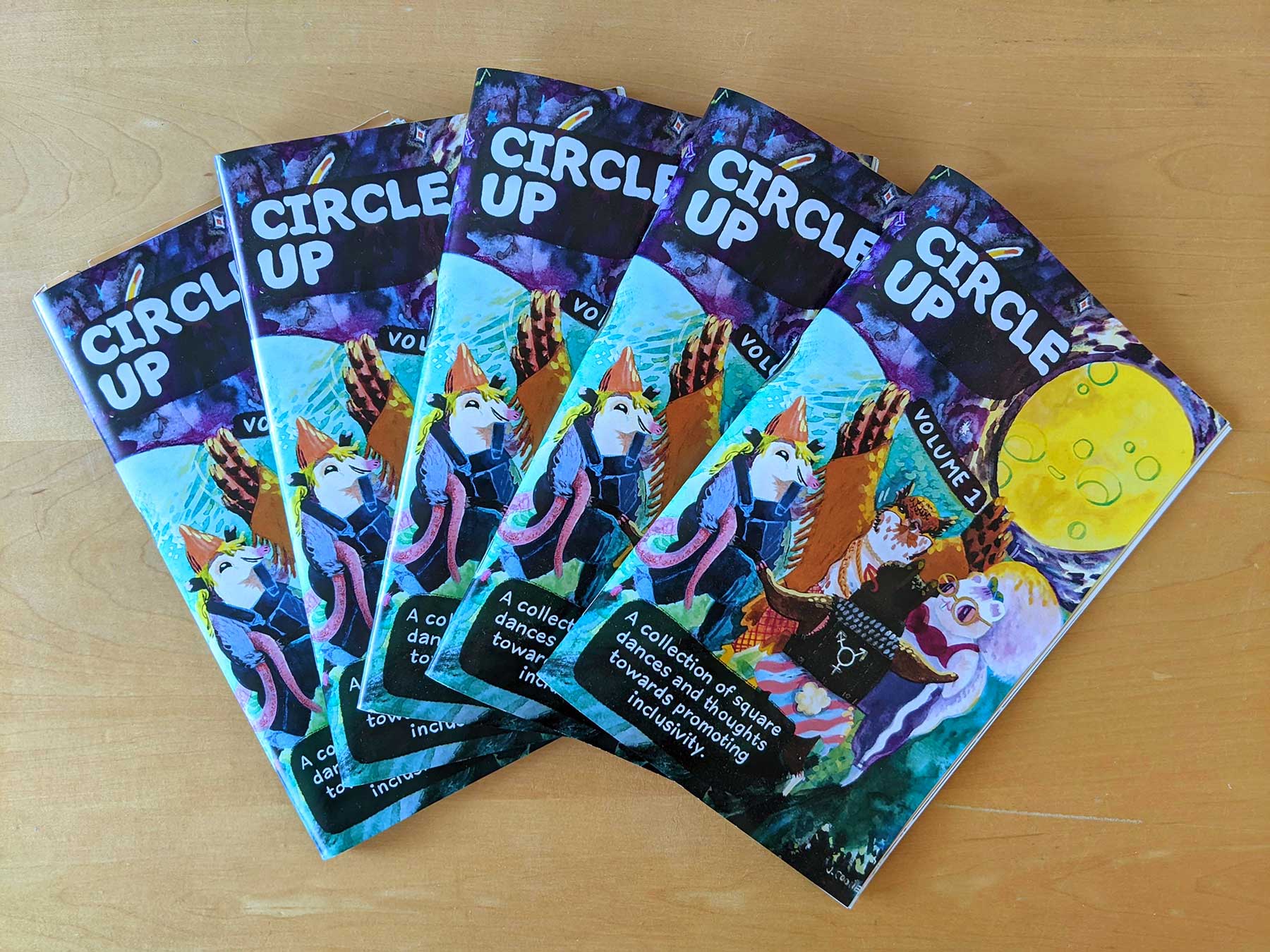
Nearly 50 new contra dances from Isaac Banner, along with tips for running a workshop, glossary, and index by figure and dance type. A great resource for new callers, as well as experienced callers looking for new dances.
From Isaac Banner
Categories: Callers, Contra Dance
Topics: Repertoire
Example Codes of Conduct
Here are some of our favorite codes of conduct from other dance and music organizations to use as inspiration for your own!
Olympia Contra Dance
Olympia, WA; contra dance (links in the “Community” paragraph under “The Details”)
DanceFlurry Organization
Albany/Saratoga Springs, NY (and surrounding areas); several types of monthly dance series and workshops, educational programs in schools and other organizations
This spreadsheet shows a list of recommended music teachers from marginalized communities. The list is the result of a survey form created in 2019 by A’yen Tran with the intention of making it publicly available, particularly to music camp directors. The goal is to increase representation for women, people of color, people with disabilities, and gender-diverse people in music camps and other musical learning opportunities.
Colin Hume presents descriptions and commentary on all of the 200+ square dances in Northern Junket, a magazine published by Ralph Page from 1949 to 1985.
Categories: Callers, Square Dance
Topics: Choreography, History, Repertoire
Communities in Conflict
May 30, 2023
A web chat recording
An online discussion to support organizers of dance, music, and song groups
From disagreements about COVID protocols to strong feelings about role terms on the dance floor, dance leaders and organizers have been in the middle of passionate community discussions the past few years. As an organizer, what approaches and techniques can you use to help your group through these rough patches? And what can you do to keep your own balance along the way?
CDSS Executive Director Katy German joined Jenny Beer, Dana Dwinell-Yardley, Sue Songer, and Kathy Story for a conversation about working through conflict as a community.
A blog for teachers wanting to teach traditional dance, including videos of dances suitable for classrooms.
Categories: Community/Family Dance, Educators
Recruiting and Keeping Volunteers!
March 7, 2023
A web chat recording
An online discussion to support organizers of dance, music, and song groups
In our mostly volunteer-powered community, we’ve long faced challenges when it comes to finding and keeping the people who make our organization’s dance, music, and song activities possible. The COVID pandemic exacerbated those challenges and impacted both our organizations and the environment in which we work.
CDSS Executive Director Katy German hosted this Web Chat to discuss volunteer management and address key volunteer-related questions, such as:
Where do we find new volunteers?
How do we appreciate the volunteers we have and help them avoid burn-out?
How do we create processes for training volunteers and planning for position turn-over?
An online discussion to support organizers of dance, music, and song groups
This Web Chat provided firsthand experiences from organizers who have used CDSS grants to provide diversity, equity, and inclusion training for their groups. We heard about ways they have been applying what they’ve learned from these valuable workshops, and what’s next for their groups. We also included plenty of time for Q&A. Our special guests were:
Cindy Culbert and Rich Dempsey: Country Dancers of Rochester (Rochester, NY)
Janet Yeracaris and Vince O’Donnell: New England Folk Festival Association (New England region)
During the CDSS Web Chat on November 1, 2021, participants brainstormed ideas for keeping their music, dance, and song groups engaged and connected through the coming months. See below for a compilation of their suggestions for organizers to try out with their communities. We’re happy to continue adding to this list, so please send your thoughts to [email protected]. All ideas welcome!
One key question that keeps cropping up as we prepare for restarting in-person activities is: How will we know when the time is right? All music, dance, and song groups need to chart their own course based on their location, state and local public health guidance, type of event, and community needs. We hope the following set of resources will help organizers navigate the myriad decisions involved with safely resuming in-person events.
This list is for anyone interested in exploring positional calling within traditional dance (contra, squares, ECD, community, family dance, Irish ceili, Scottish ceilidh, etc).
Our goal is to support each other by discussing topics of interest to callers specifically in relation to positional calling. We encourage callers to also join some of the other Shared Weight lists as those communities are valuable resources for other aspects of calling.
Growing up Trad! is an email discussion list for caregiving adults who love traditional dance, music and song. The focus of our conversation is around nurturing these traditions within our families and in particular with the children in our care.
This mailing list welcomes organizers and those interested in organizing any form of traditional social dance. This includes contra, English country, traditional squares (e.g., Appalachian, New England, Quebecois, Cape Breton, etc), community/family/barn, ceili, Balfolk, and more!
In this short overview, the organizers of Portland Intown Contra Dance acknowledge and explain some of the various Black and African influences on American folk dance traditions.
In this article, the author puts forward the need to remove racist songs from school music programs and discusses a number of songs with racist messaging.
This article focuses on racism within our traditions, in particular relating to the work of Cecil Sharp and his contemporaries, and on how our history informs our present and should influence our future.
From Ezra Fisher
Categories: Contra Dance, Early American Dance, Square Dance
This article from Will Loving, with a note from Sue Songer around copyright issues, describes the details of putting on a techno contra including lighting and equipment recommendations.
From the CDSS News
Categories: Contra Dance, Organizers
Topics: Techno
Let’s Talk About Reentry, Part 7: Singing Together Safely
May 3, 2022
A web chat recording
An online discussion to support organizers of song groups
Two organizers offered firsthand experiences about keeping their song groups alive and well through the pandemic by hosting in-person and online singing events. Our third guest provided the latest COVID-19 news from her public health perspective, with suggestions especially pertinent for song group organizers. Q&A with all three guests included:
Janice Hanson from Golden Link Folk Singing Society in Rochester, NY
Steve Deering from Vancouver Folk Song Society in Vancouver, BC
Dr. Kimbi Hagen, public health professor from Atlanta, GA
Looking to raise funds for your dance? These workshop notes take a broad view on fundraising to support your dance series, support the hall where you dance, run special events or programming, purchase equipment, or support other causes and affiliated organizations. Includes an overview of philanthropy and fundraising strategies at the macro level, and then share how one local organization raised more than $60,000.
From Rima Dael, Patty Giavara, and Nancy Turner
Puttin’ On The Dance 2015
Non-profit governance and administrative systems require routine updating as organizations evolve. This workshop is designed to help organizers of any committee—old or new—strengthen their administrative platform. Topics include: the pluses and minuses of incorporating and registering as a non-profit; the steps that a group must take to incorporate and/or register as a non-profit; and the roles that bylaws and articles of incorporation play to define the organization’s purpose and how the organization is governed. This workshop will be particularly helpful to groups that are not formalized as incorporated non-profits who are thinking about taking these steps, or for members of formalized committees who want to better understand governance systems. We’ll share some decisions that were addressed at our dances to generate discussion, clarify how CDSS is prepared to assist, and open up the floor to any governance/administrative issues that you might be tackling in your own dance community.
From Catherine Burns, Rima Dael, & Nancy Turner, Puttin’ On The Dance 2015
Volunteers are crucial to the healthy sustainability of our dances, as much to build community as to get the job done. These workshop notes talk about the importance of volunteers, different kinds of volunteers, recruitment, engagement and retention. We’ll also work to address some specific volunteer challenges, useful whether you’re a committee of one or part of a large organizing team.
from Tara Bolker & Maxine Louie, Puttin’ On The Dance 2015
Starring Your Recorder is a free educational video series from GEMS NY. The recorder has been an important instrument worldwide for hundreds of years. It has often been played along with other beautiful instruments that are still played today. With these six videos, students can experience playing easy tunes on recorder accompanied by a Renaissance band.
In this series of blog posts, Jeff Kaufman describes various aspects of sound engineering at a contra dance, from the system itself to mic placement and more.
All Mixed Up is a comprehensive guide to doing sound for both traditional dance and folk music events. Bob’s guide covers a wide range of topics that are useful to both beginner and experienced sound technicians. The printed version of All Mixed Up is available for sale through CDSS’s online store.
TradSound is a listserv (email group) that exists to share information, experiences, techniques about people using intelligence, acoustics and audio equipment to optimally reinforce voices and instruments at community trad music events including dances, concerts and festivals. Most of our group members are audio techs, though we also welcome interested musicians, singers, callers, organizers, dancers and listeners. TradSound is a great way to talk to those passionate about sound at trad events. Join the discussion! Special Note: As a member of the group, you can also search the extensive list archives.
conduct and disseminate research on traditional dance, music, and song
sponsor attendance at non-CDSS programs for training purposes
create related endeavors that will have a lasting effect on dance, music, and song communities
When to apply
Starting in January 2026, we will review grant applications and distribute funds three times per year. Applications will still be accepted on a rolling basis; please use the dates below to find the funding period that works best for you.
Spring cycle
Application deadline: January 31
Applicants notified and funds distributed: February
Summer cycle
Application deadline: May 31
Applicants notified and funds distributed: June
Fall cycle
Application deadline: September 30
Applicants notified and funds distributed: October
Requirements for recipients
Click below for our requirements of grantees, including publicity, acknowledgement, and a follow-up grant impact report.
We’ll be in touch the month after your cycle’s application deadline with a grant decision or if we have any questions with your application. If you have any questions in the meantime, please email [email protected]. Thank you for the work you do to support dance, music, and song!
Recent Recipients
High Times with Balalaika—Sarah Jane Nelson
Waltham, MA Researching Ukrainian and Russian émigrés whose folk music and dance enriched and enlivened the folk music scene in 20th century North America.
Moab, UT
Hosting a series of workshops for new callers Funded by the Mary Kay Friday Leadership Training Fund
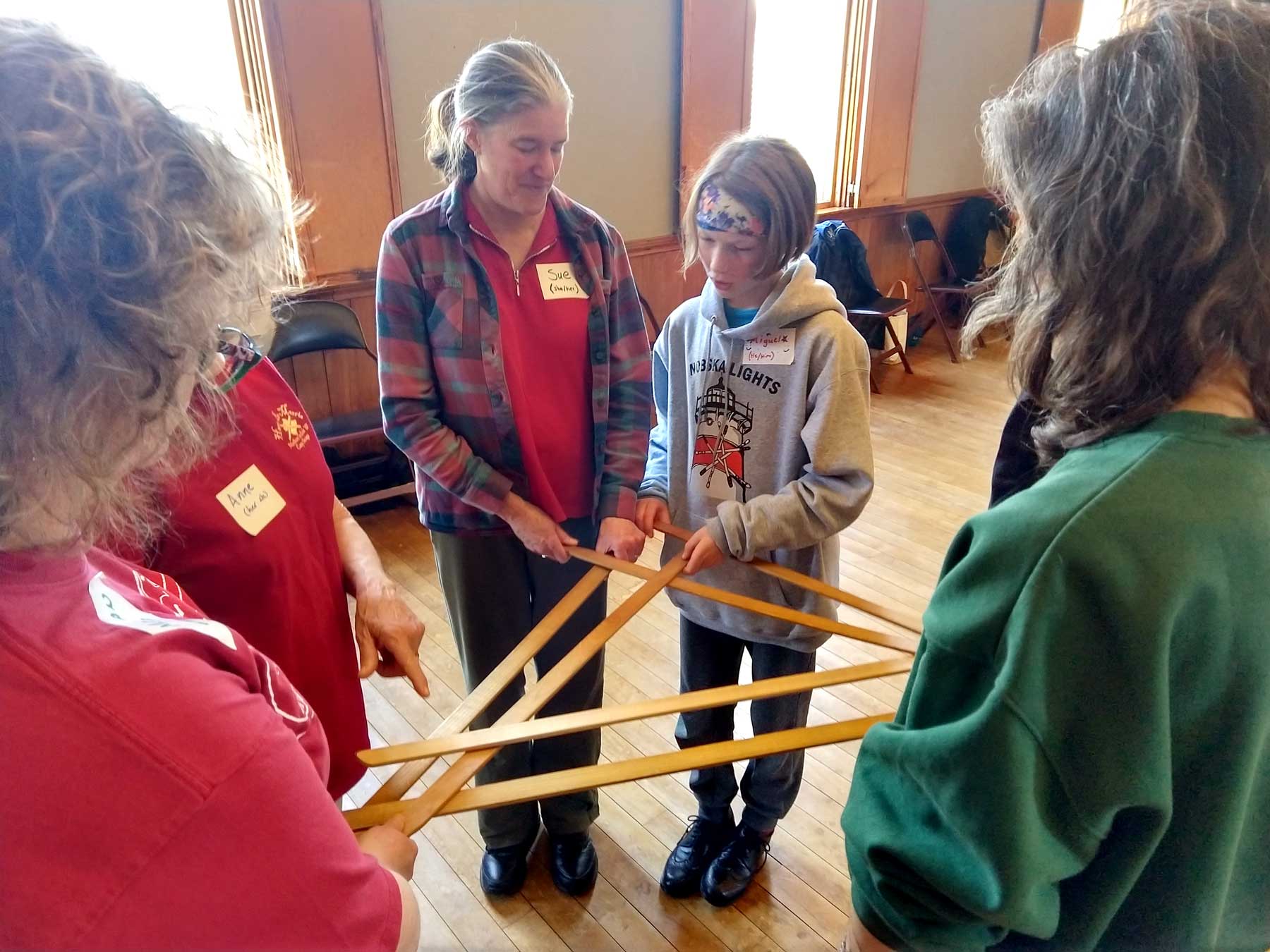
Nobska Lights/S’wap Sword Dance Workshop
Woods Hole, MA
Hosting a workshop/figure swap between youth rapper sword teams and adult rapper and longsword teams Funded by the May Gadd/Phil Merrill Fund
Let’s Talk About Reentry, Part 5: News from Groups That Have Resumed In-person Events
August 12, 2021
A web chat recording
There is strong interest amongst organizers in hearing news from communities that have already resumed in-person events. This Web Chat provided valuable experiences and suggestions from two dance and song organizers who are already navigating their reentry, as well as perspectives from a public health professional.
Let’s Talk About Reentry, Part 4: Addressing Legal and Other Burning Questions
May 19, 2021
A web chat recording
For this Web Chat, CDSS hired an attorney to address some of our broader community’s legal questions. Other panelists provided resources and considerations to help organizers chart their group’s course for safely emerging from the pandemic. Ultimately, each group needs to ask their own questions and find answers that are right for their location, type of event, and community. We’re all in this together!
Let’s Talk About Reentry, Part 3: An MD Discusses Vaccines, and We Discuss Our Sector’s Needs
March 1, 2021
A web chat recording
In this third installment of the “Let’s Talk About Reentry” Web Chat series, we featured presentations and discussions about how the pandemic has altered our communities’ needs and how we can best prepare for returning to in-person dancing, singing, and music-making.
Singing and Playing Music in REAL TIME! An online discussion for organizers of song communities and open bands
January 13, 2021
A web chat recording
Members of the Sacred Harp group FaSoLa Philadelphia (PA) and the Phoenix (AZ) Traditional Music & Dance Society joined us for this conversation. During the Web Chat, they shared their successes with using the computer program Jamulus to enable their groups to sing and play music in real time!
Let’s Talk About Reentry: Working Together Now for a Strong Return to Dancing
October 21, 2020
A web chat recording
During this down time, there is work we can be doing to ensure a joyful and fulfilling return to the dance floor. We talked about our evolving expectations for reentry, the changes we need to prepare for, and the important role organizers can play in preparing our communities for a bright future.
Many organizers of song groups are finding creative ways to keep your community engaged and connected during the pandemic. In this Web Chat, we heard from organizers about experiences that are working well in their song groups. We featured a few guest speakers and took time for Q&A, open conversation, and breakout rooms.
Let’s Talk About Reentry: Recommendations and Q&A for Organizers
July 8, 2020
A web chat recording
This Web Chat was hosted by Katy German, CDSS Executive Director. We addressed the BIG questions on organizers’ minds: How can we keep our communities safe in a pandemic? When can we dance and sing in the same place again? What does it mean to be a dance/music/song organizer when we can’t be together?
Isaac Banner (Seattle, WA) has been dancing and calling in the Pacific Northwest for more than a decade. Originally from Saratoga Springs, NY, they grew up surrounded by the music and dance communities of the Greater Adirondacks, regularly volunteering at Caffè Lena and The Dance Flurry.
Seeking community through the folk and American barbershop traditions, Isaac danced his way across the country in 2015 and, since relocating to the west coast, they’ve been passionately involved in creating safe and inclusive dance spaces for dancers of every identity and background. They believe strongly that open, affordable, and accessible dance spaces are fundamental to carrying forward the folk tradition to the next generation of dancers, callers, musicians, and more.
Isaac’s professional background is primarily in online services and digital security, through which they’ve served in a technical capacity to support and organize several events in the Pacific Northwest. When they’re not calling for dances, they can be found writing original choreography, coaching new callers, or making surprisingly convincing chicken noises.
Seth Tepfer
Seth Tepfer (Decatur, GA) first started Scottish country dancing in 1987. Ballroom dancing led to Cajun dancing, which led to contra dancing. From there, Seth started helping run dance events and, in 1997, started contra dance calling.
In the years since, Seth has organized dance weekends (What the Hey, Butterfly Whirl, Atlanta Dance Weekend) and dance weeks (Florida Rhapsody (1997-2001), Bonaire Dance and Dive (2005), Terpsichore’s Dance Holiday (2015-2019), and Rhapsody Adventure in Paxos, Greece (2025). Seth has called dance weekends and dance events across the United States and in Bonaire, Canada, England, Denmark, France, Germany, and Greece.
Seth is passionate about teaching dance leadership. He has taught contra, square, English, and community calling intensives. His website is a valued resource for essays, choreography collections, and thoughts about dance calling.
Seth loves sharing the joy of dance for people who have never danced before, for experienced contra, English, or square dancers. He is excited to work with other leaders to promote dance, music, and song.
Christa Torrens
Christa Torrens (Bigfork, MT) was volunteering at a Western Massachusetts folk music weekend in 2001 when she wandered onto the contra dance floor—and has been an avid contra and English dancer ever since. It took a few years, but she was eventually willing to give up a little dance time for mic time: Christa started calling contras in 2011 and English in 2021 (online!). She is particularly drawn to the welcoming, community-centered aspect of contra and ECD, and loves that, as a caller as well as a dancer, she can share some of her own dance joy with others.
While Christa has lived—and danced!—in most regions of the US, she has spent the bulk of the last 20 years based in the Mountain West and is grateful to call both the Missoula, MT, and Front Range, CO, dance communities home.
When she’s not dancing, Christa works as an aquatic ecosystem ecologist and ecosystem modeler, occasionally sloshing around in streams, but more often sitting in front of a screen fiddling with code and confronting models with data. She loves being outdoors and spends much of her time hiking, biking, skiing, and simply enjoying wild spaces.
Ellie Shogren
Ellie Shogren caught the dance bug early in life, attending her first contra dance at two months old. Decades later, she is still an avid dancer and has served numerous folk communities across the country as staff, crew, board member, and enthusiastic participant.
Originally hailing from Tennessee, Ellie has been fortunate enough to develop folk connections all over the country and overseas, having lived in the South, New England, and the United Kingdom. Ellie and her husband, Ethan, now call the Nebraska/Iowa region home after meeting at a contra dance.
Ellie is honored to serve the CDSS community as a board member in memory of her mom, Chrissy Davis-Camp, who was an influential caller from Tennessee. Both Ellie and her younger sister, Anna Claire, have followed in their mom’s steps; if they are not on the dance floor, you can find them behind the mic calling contra, English, or teaching youth morris and rapper sword.
Because of her parents, Chrissy and Pat, Ellie was taught the importance of community and instilled with a responsibility for inclusion and respect for all through the lense of folk arts. Ellie still carries these important lessons with her as she shares her passion for all things folk.
Sharon Green
Back in 1984-1985, David and Sharon Green had an annus terribilis, a terrible year. In 14 months, they lost all four of their parents. Then in 1988, Sharon found country dancing and refound joy.
Since then, Sharon has danced and called in England, the Netherlands, Japan, Canada, and throughout the United States. She has organized dance weekends and weeks on both coasts and has served on the boards of both the Bay Area Country Dance Society and Country Dance New York. While living in New York, she edited the introductions to three books of dances by her mentor, Fried de Metz Herman. Emulating Fried, Sharon has also choreographed some 40 dances herself.
In 2024, Sharon had the great honor of being chosen to receive CDSS’s Lifetime Contribution Award for her and her household’s work promoting English country dancing. Sharon maintains that it has been her great joy to be part of CDSS, and now in her 80s she is both happy and honored to serve on the board.
Dilip Sequeira
Dilip Sequeira (Seattle, WA) hails from London and contracted a severe case of the folk dance virus (Scottish variant) while a student in Edinburgh. On escaping Britain for St. Louis in 2003, he discovered the joys of English country dance, and it was only a few short years ago that he found his inner contra dancer, too. He has been calling ECD on the West Coast since 2017 and enjoys working with all levels of dancers, helping them improve their skills and get more out of their dancing.
He is now a recovering software engineer, on a mission to make the English country dance repertoire available to the world.
 Download the Entire Toolkit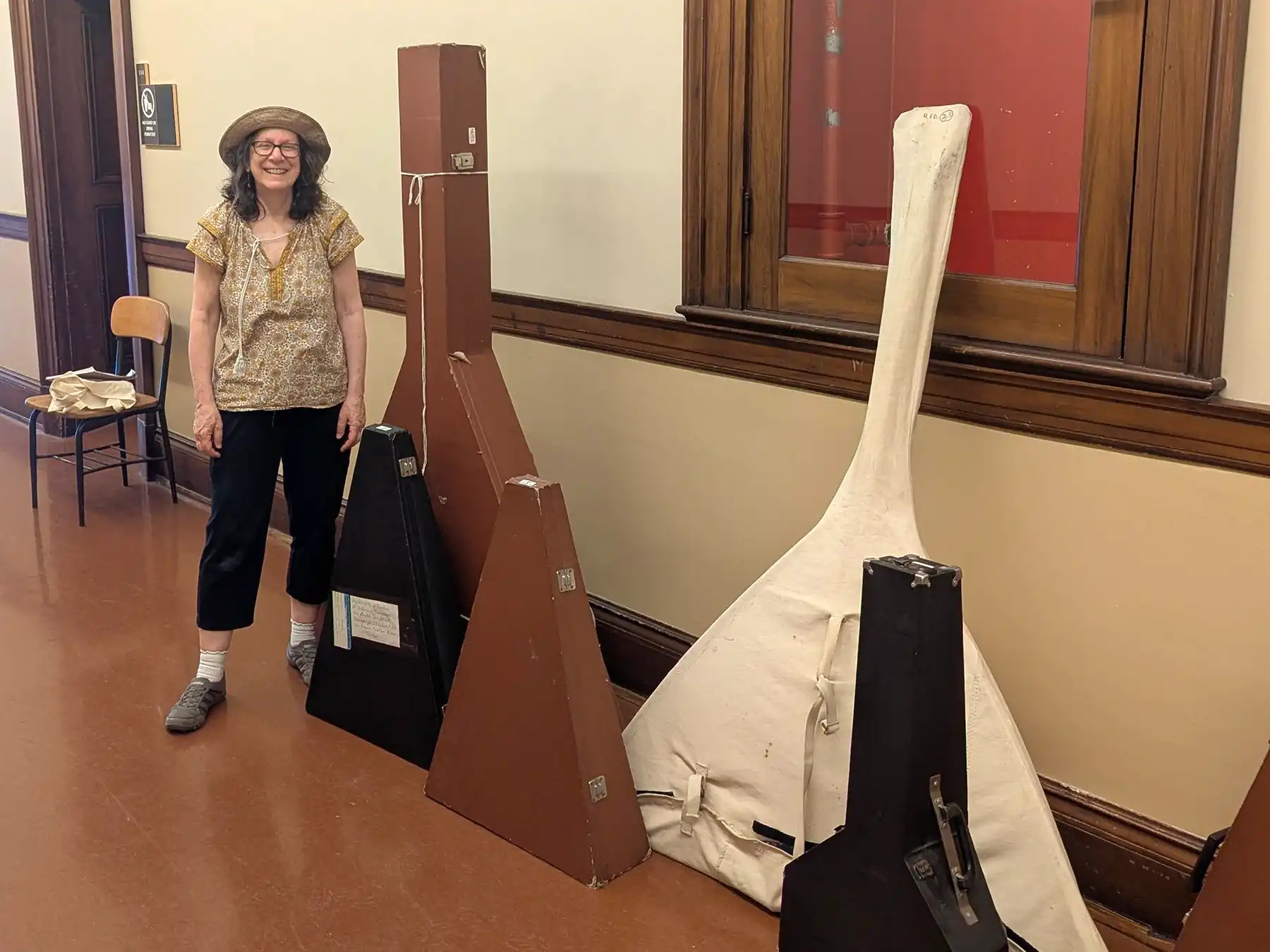
 Thanks to the Massachusetts Cultural Council for their generous support.
 Isaac Banner
 Seth Tepfer
 Christa Torrens
 Ellie Shogren
 Sharon Green
 Dilip Sequeira